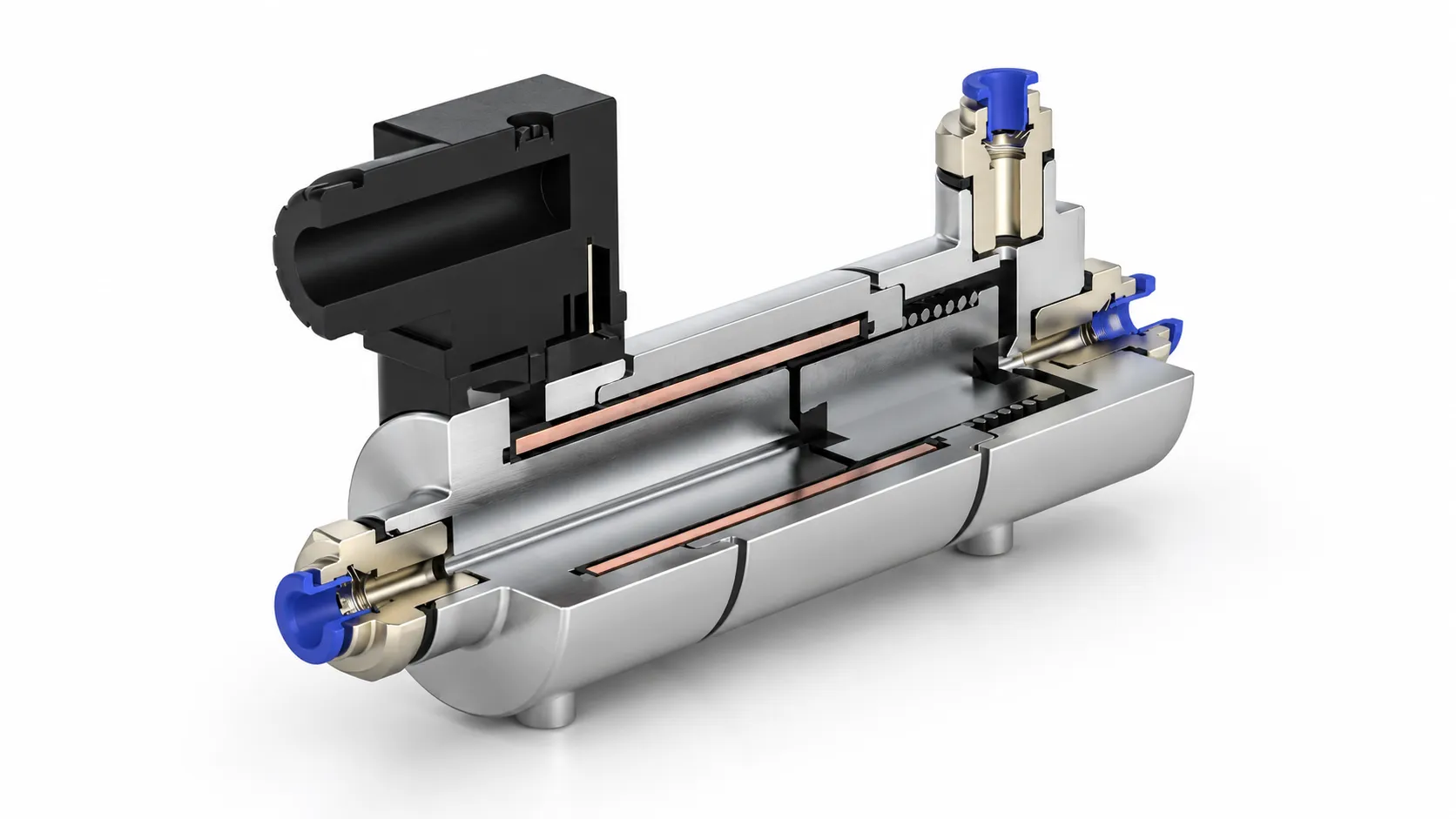
Electromagnetic Pneumatic Valve
The first draft was too weak and ran too hot.
Actuator design, Munich University of Applied Sciences, Winter 2025/26 · 3 months
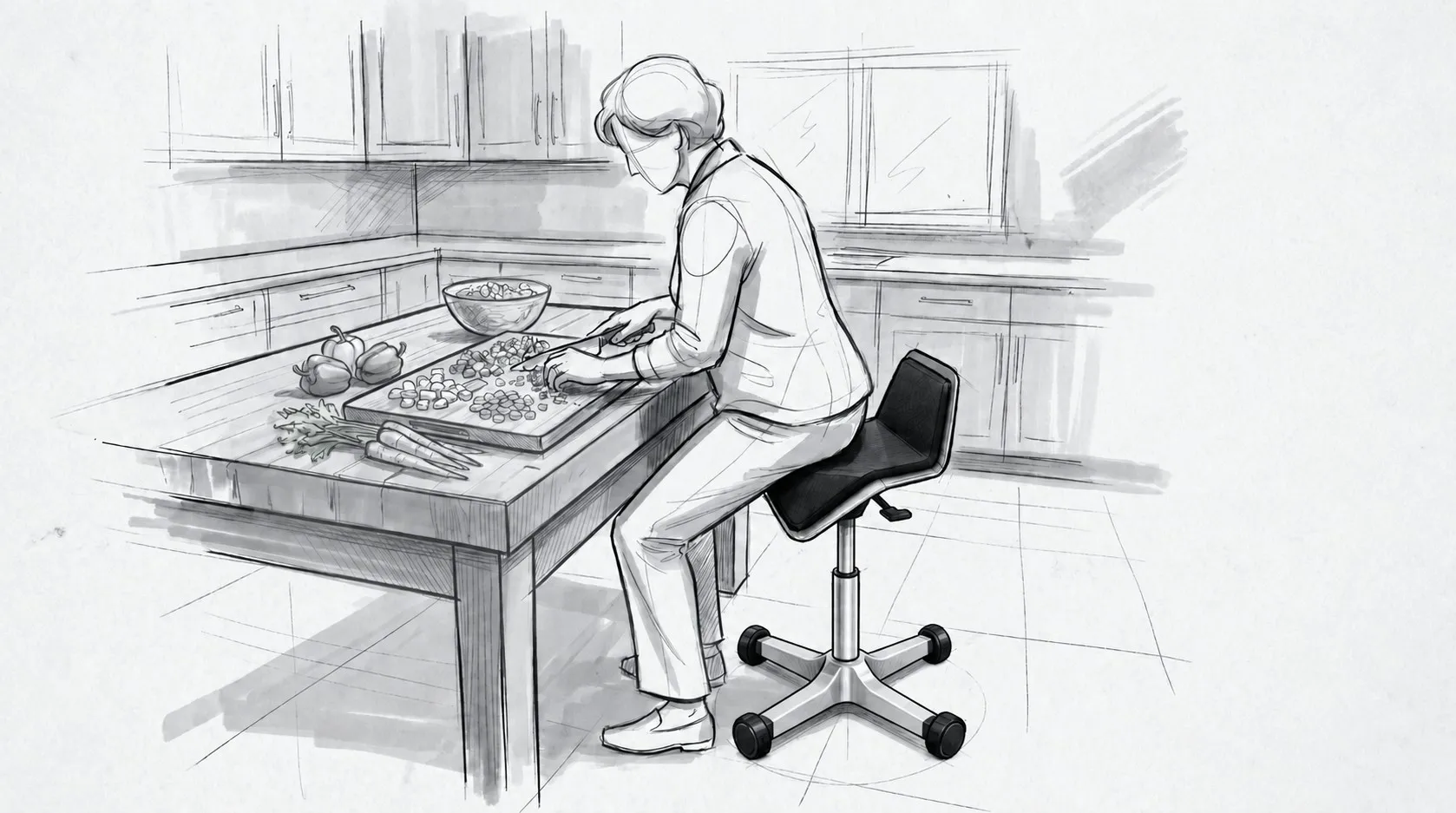
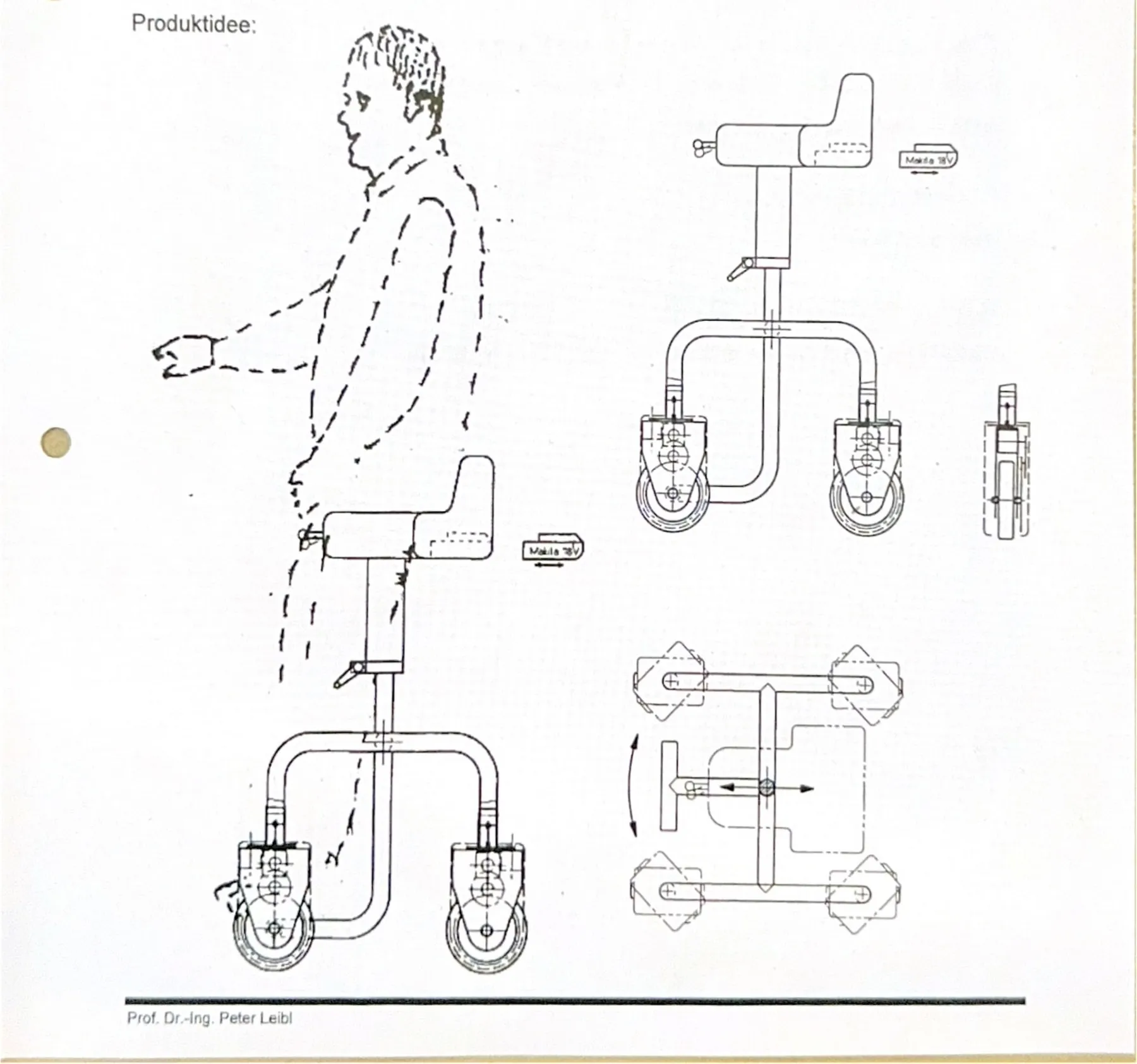
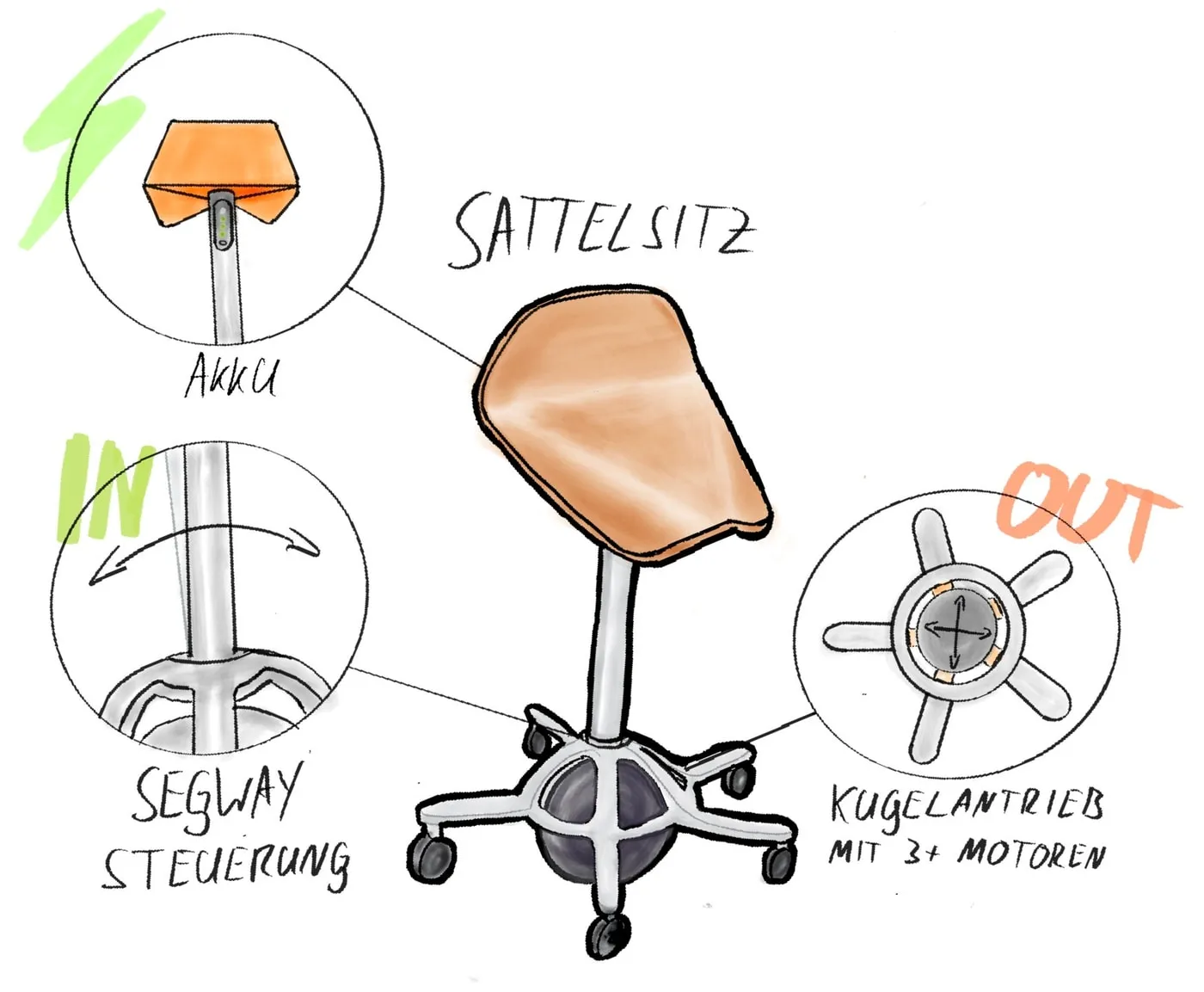
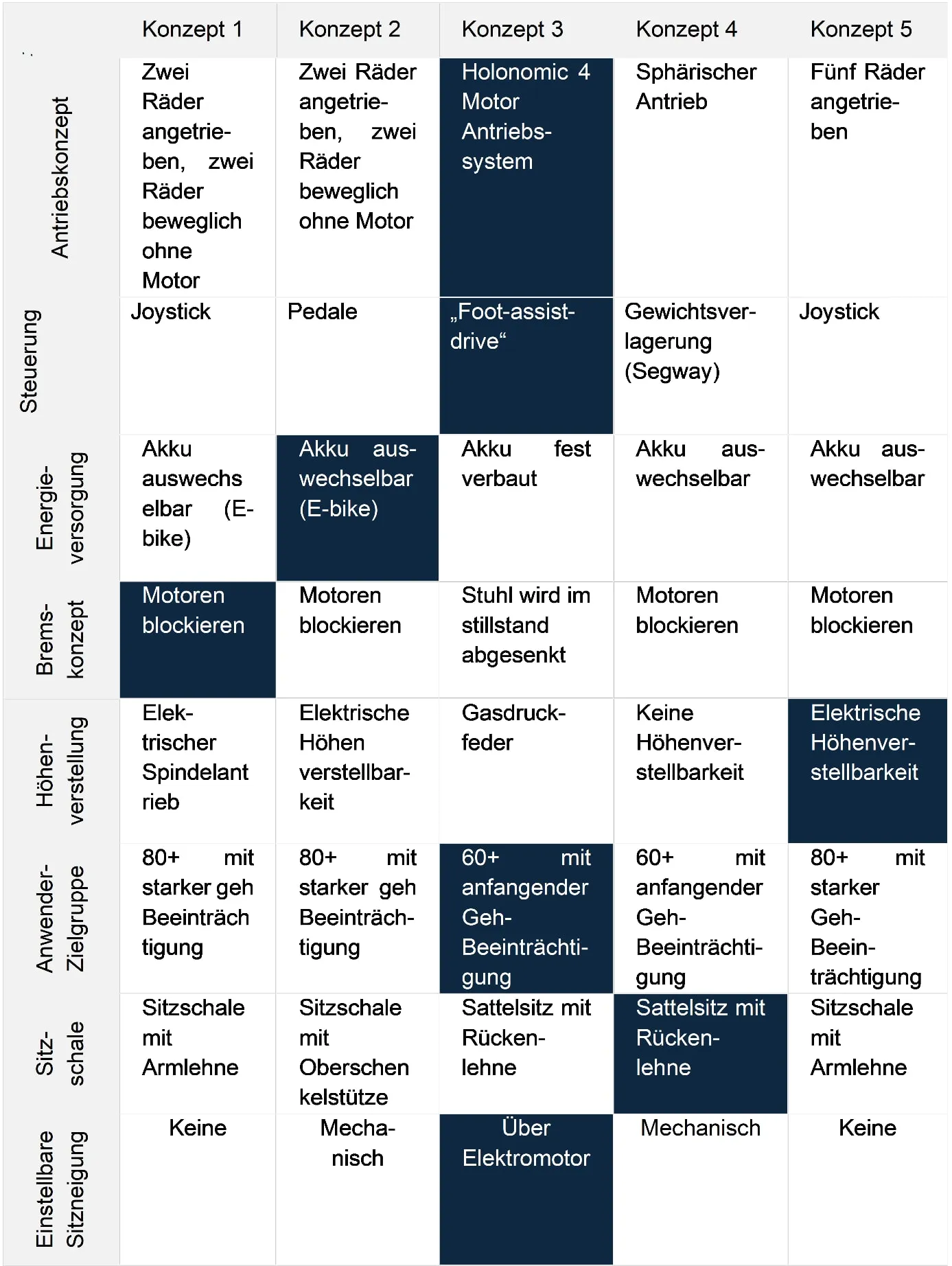
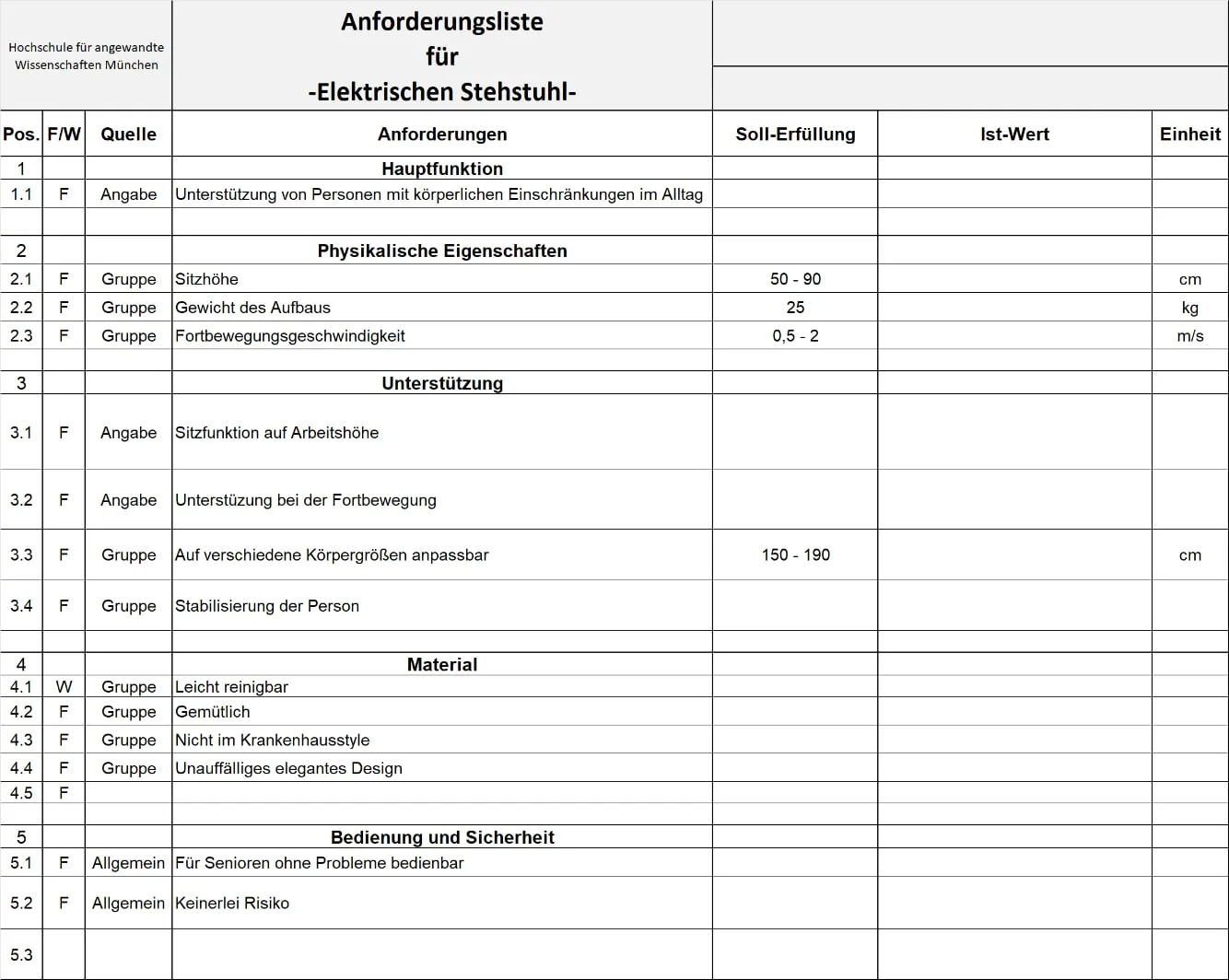
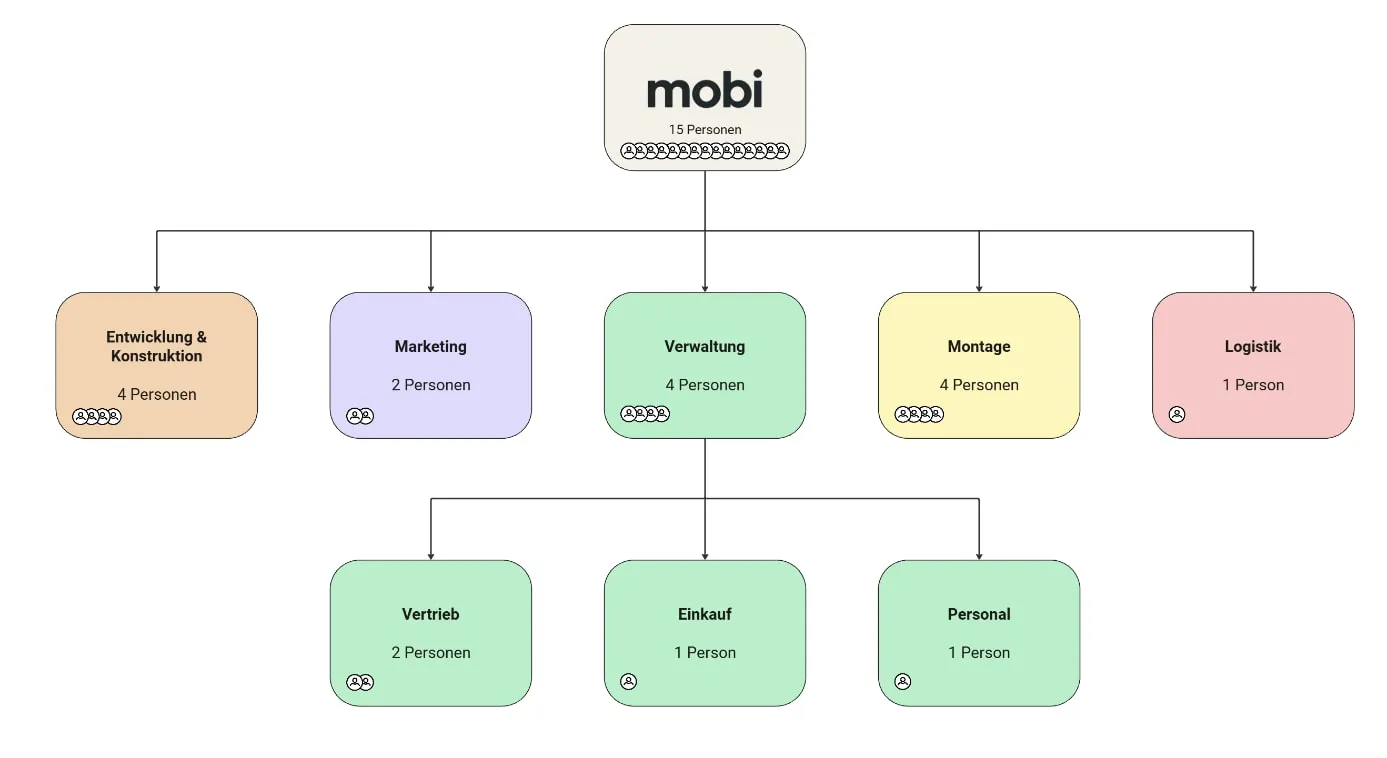
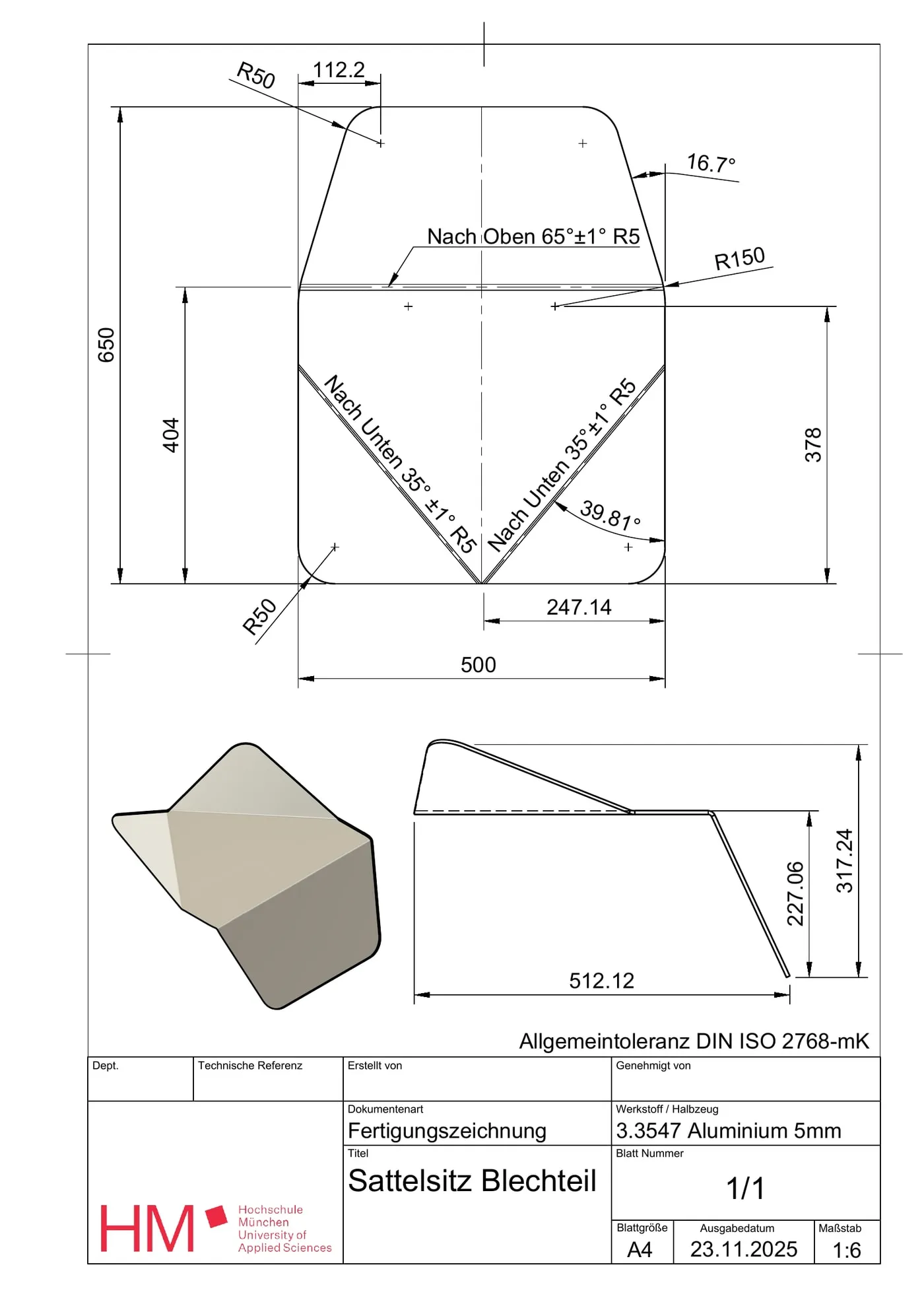
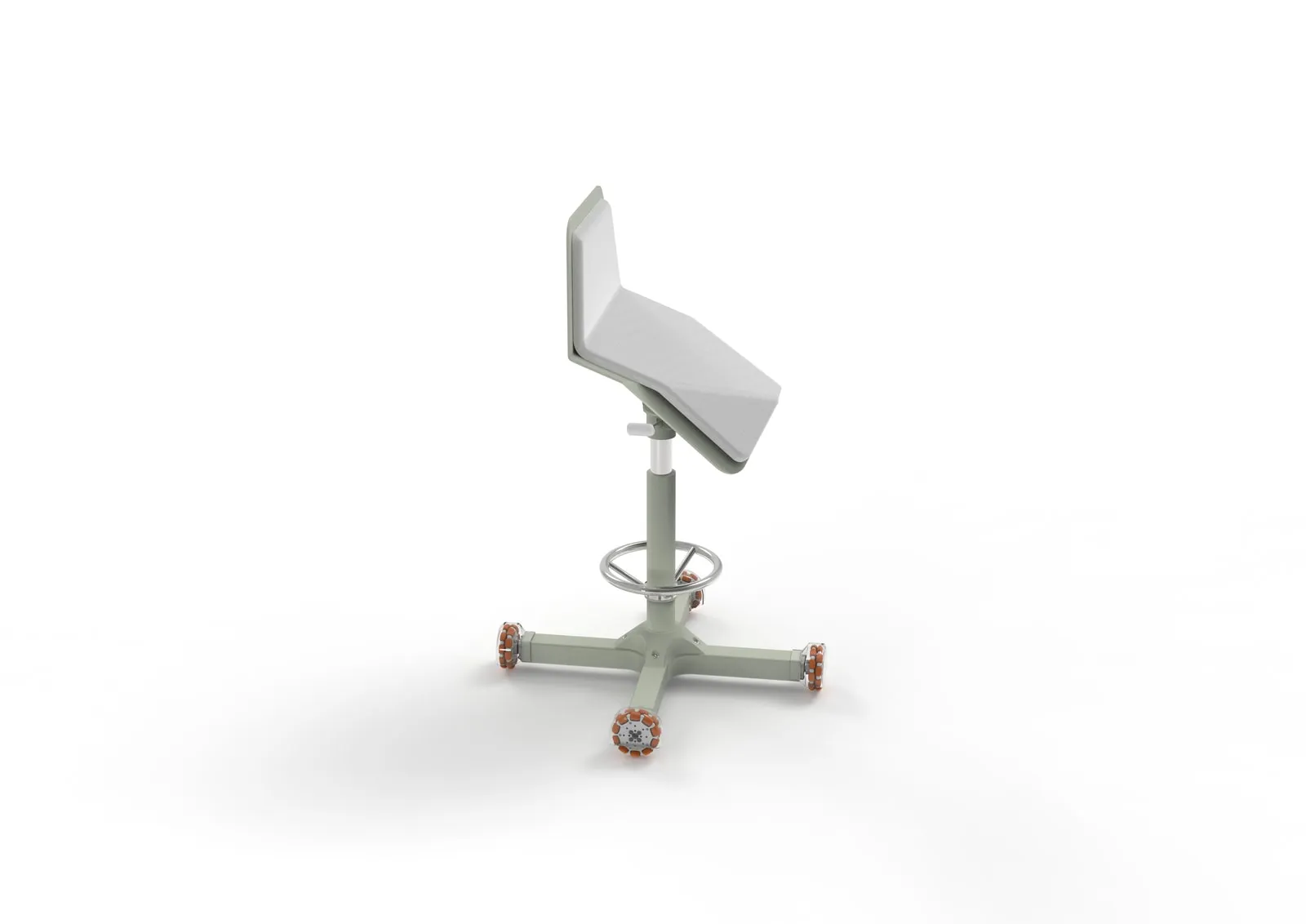
The brief was just one product idea, nothing else: an electric mobile standing chair for seniors with limited mobility, developed in the Mechatronic Product Development course at Munich University of Applied Sciences for the fictional startup mobi. Everyone on the five-person team developed their own concept. Mine steered by weight shift like a Segway and sat on a saddle, while the multi-motor ball drive I proposed first got dropped again. The partial solutions from all five concepts got evaluated and assembled into one new combined concept instead of just picking the best single one: the saddle seat from my concept stayed, the steering didn't.
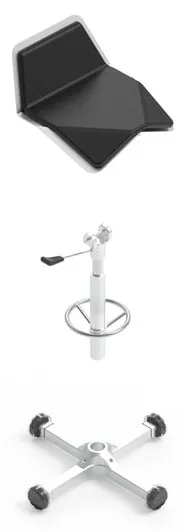
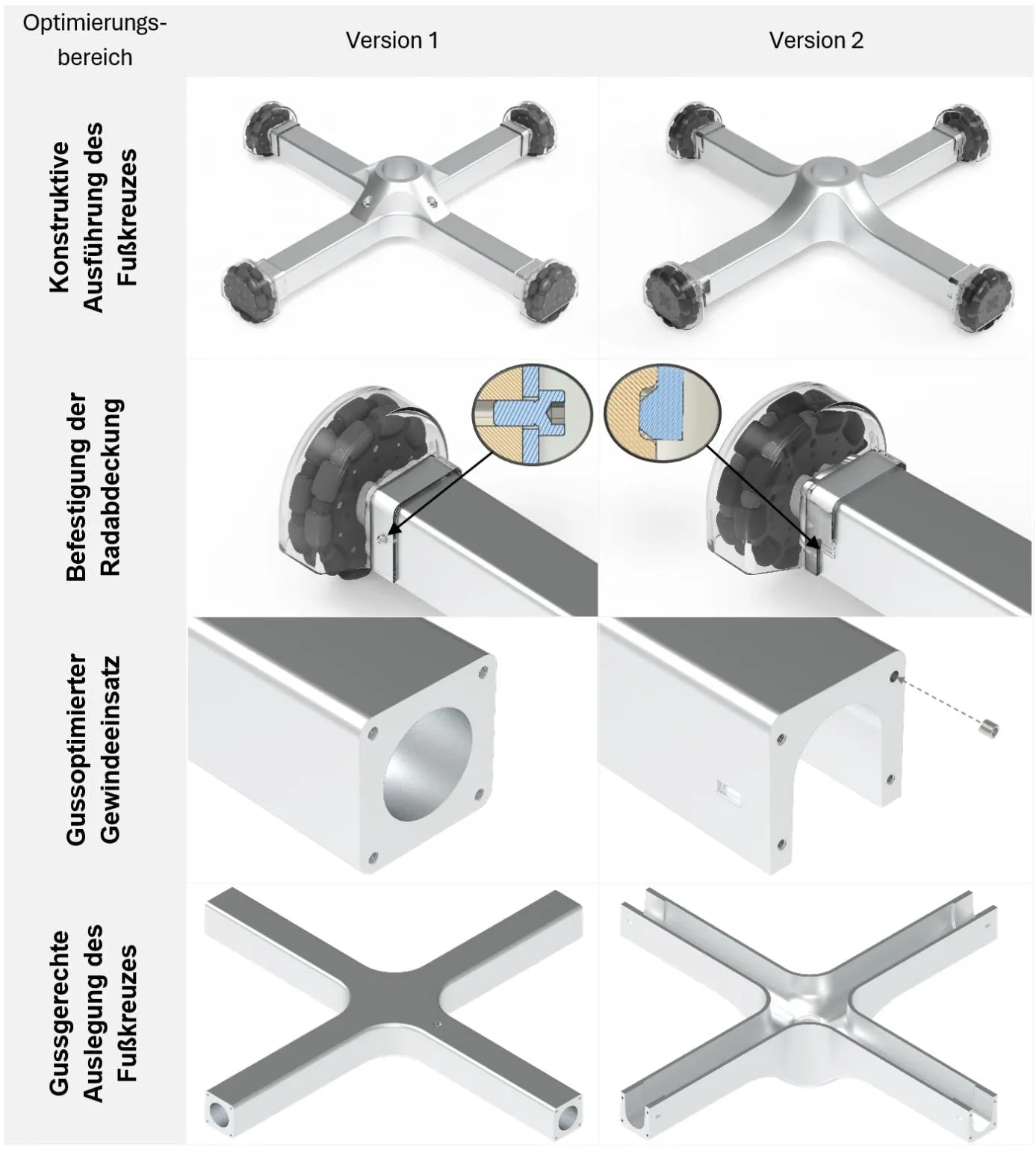
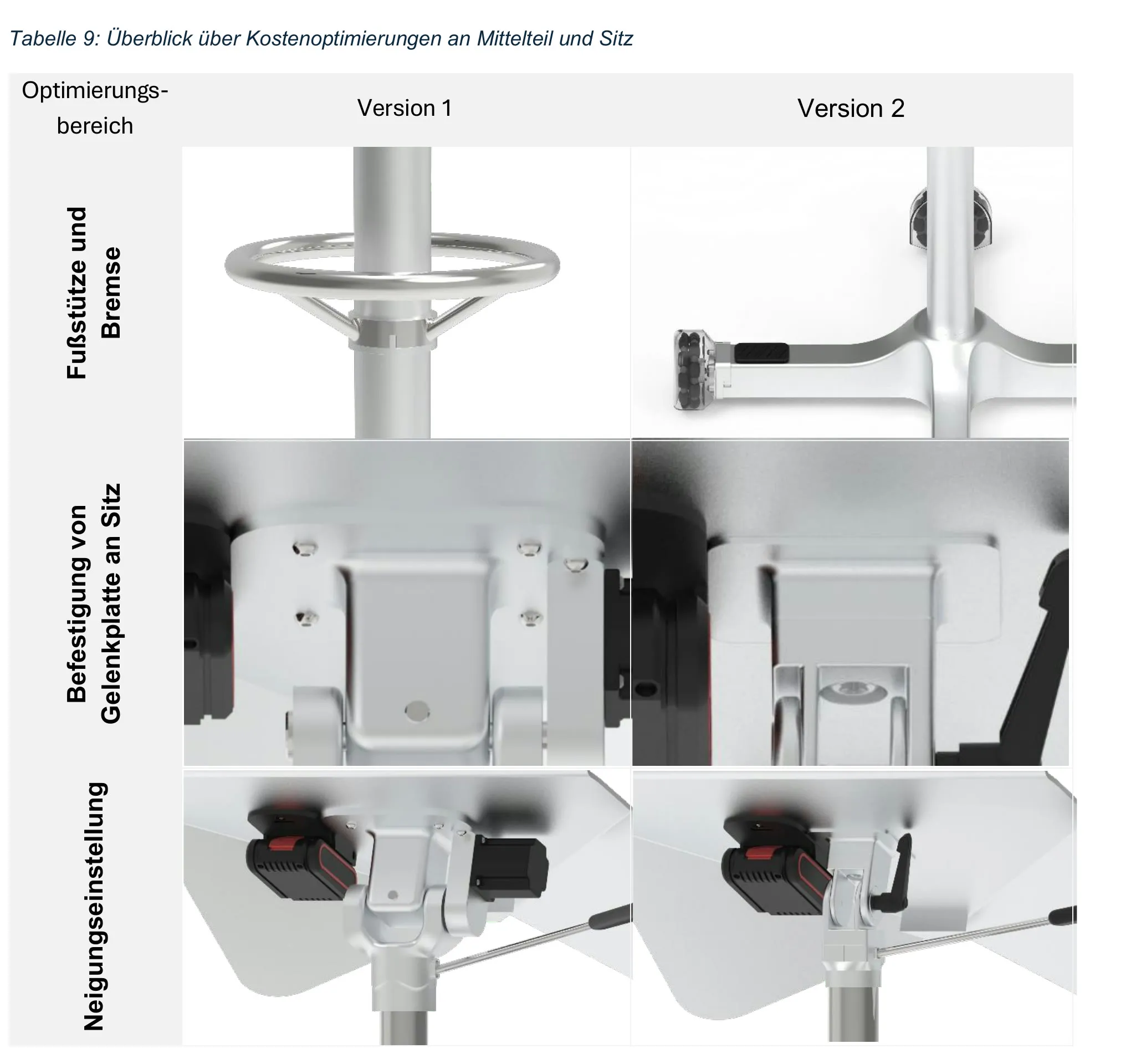
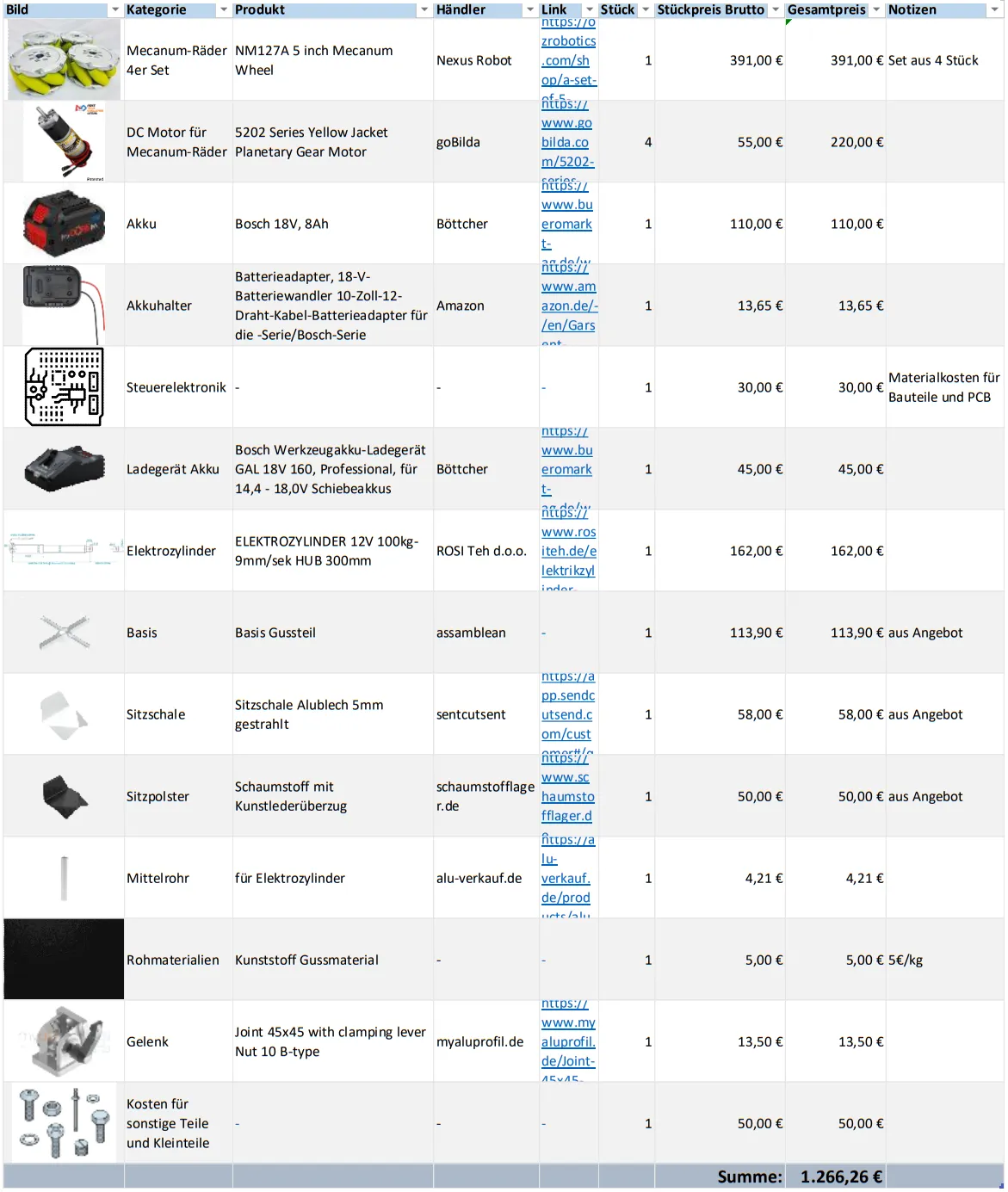
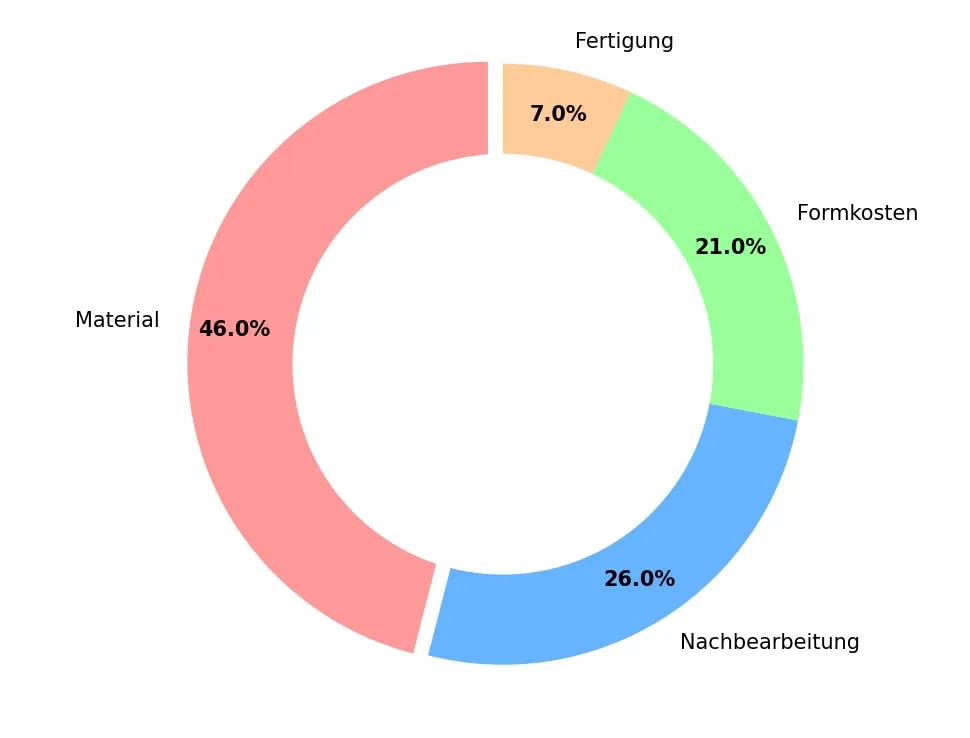
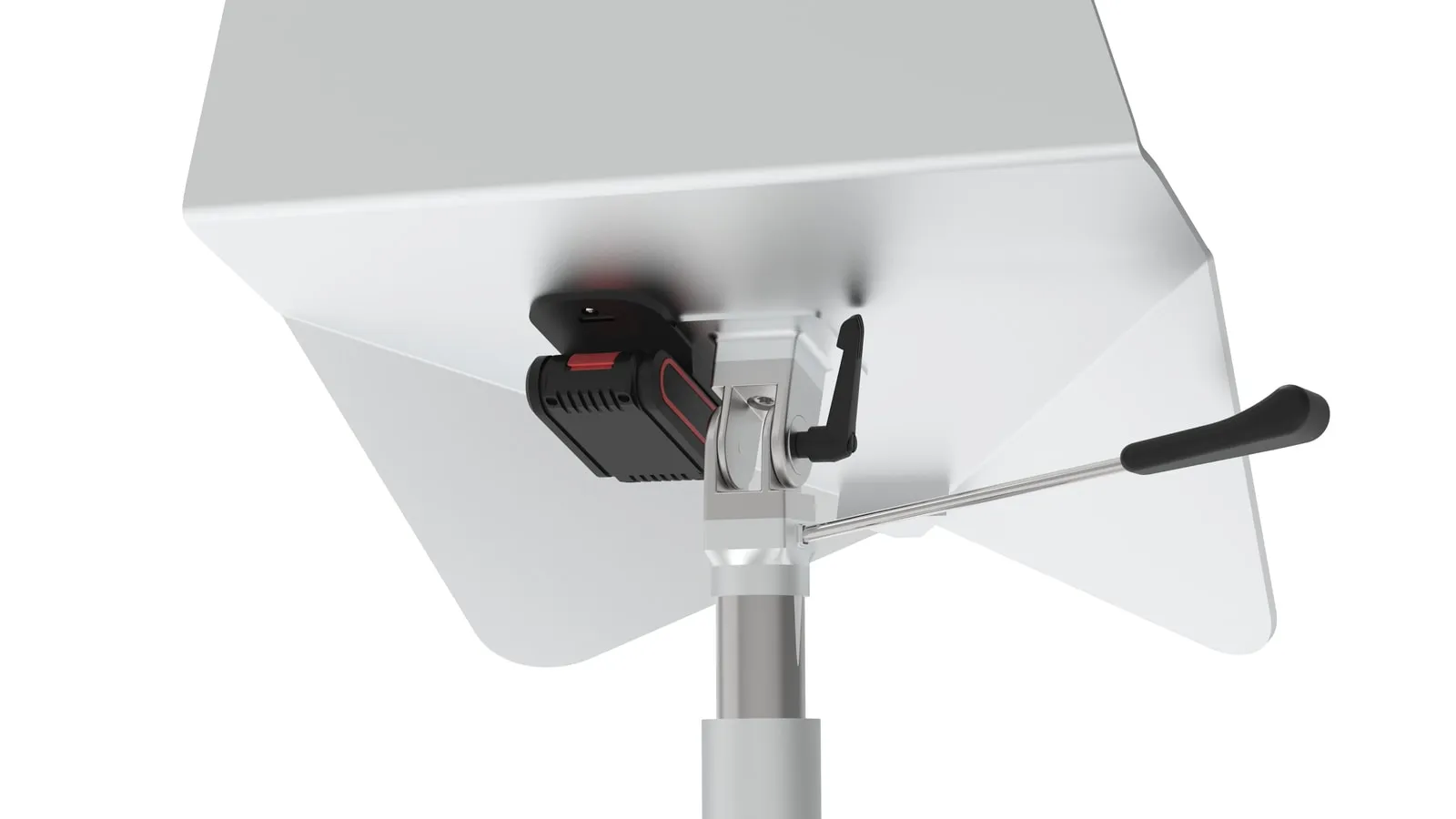
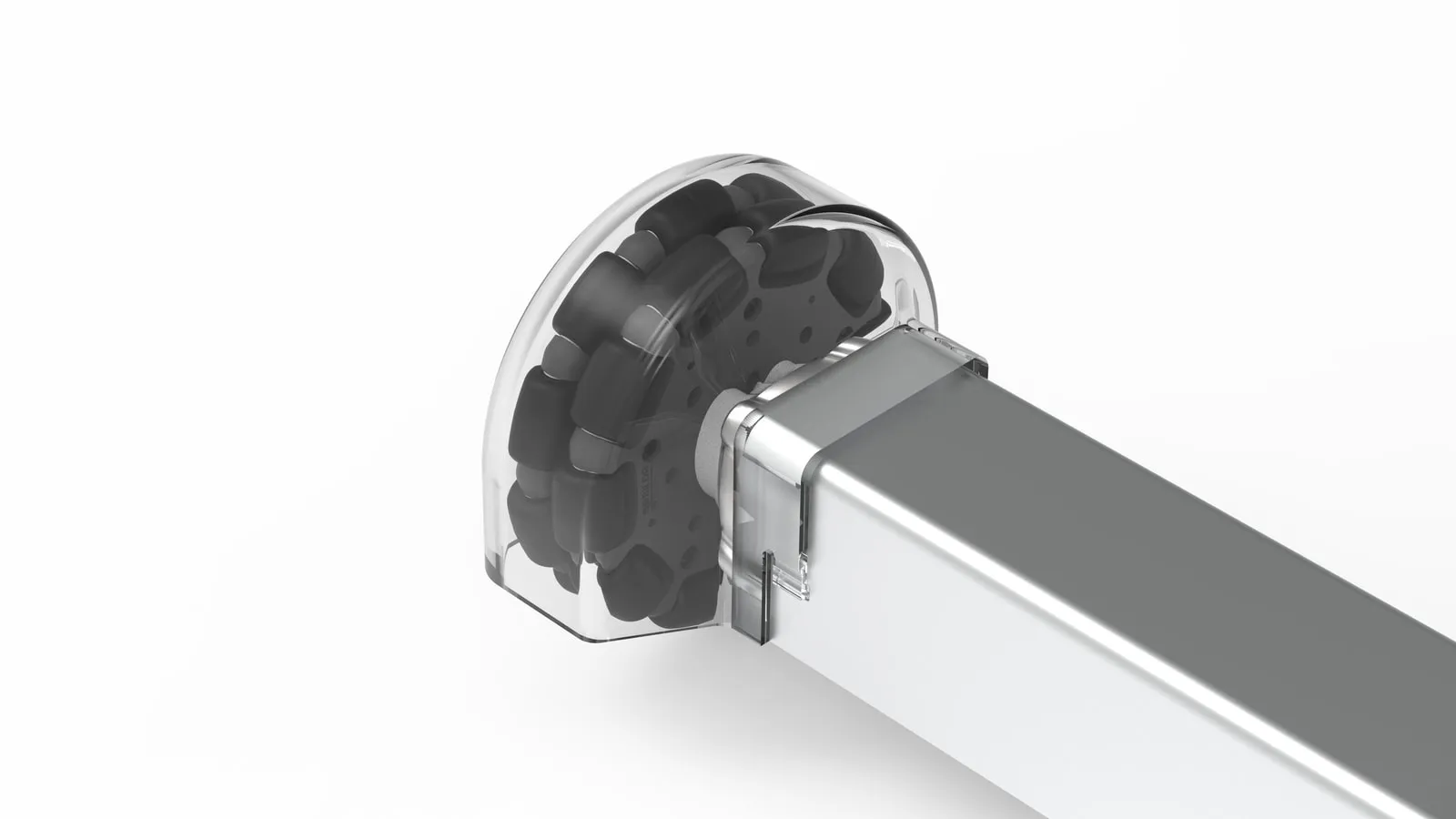
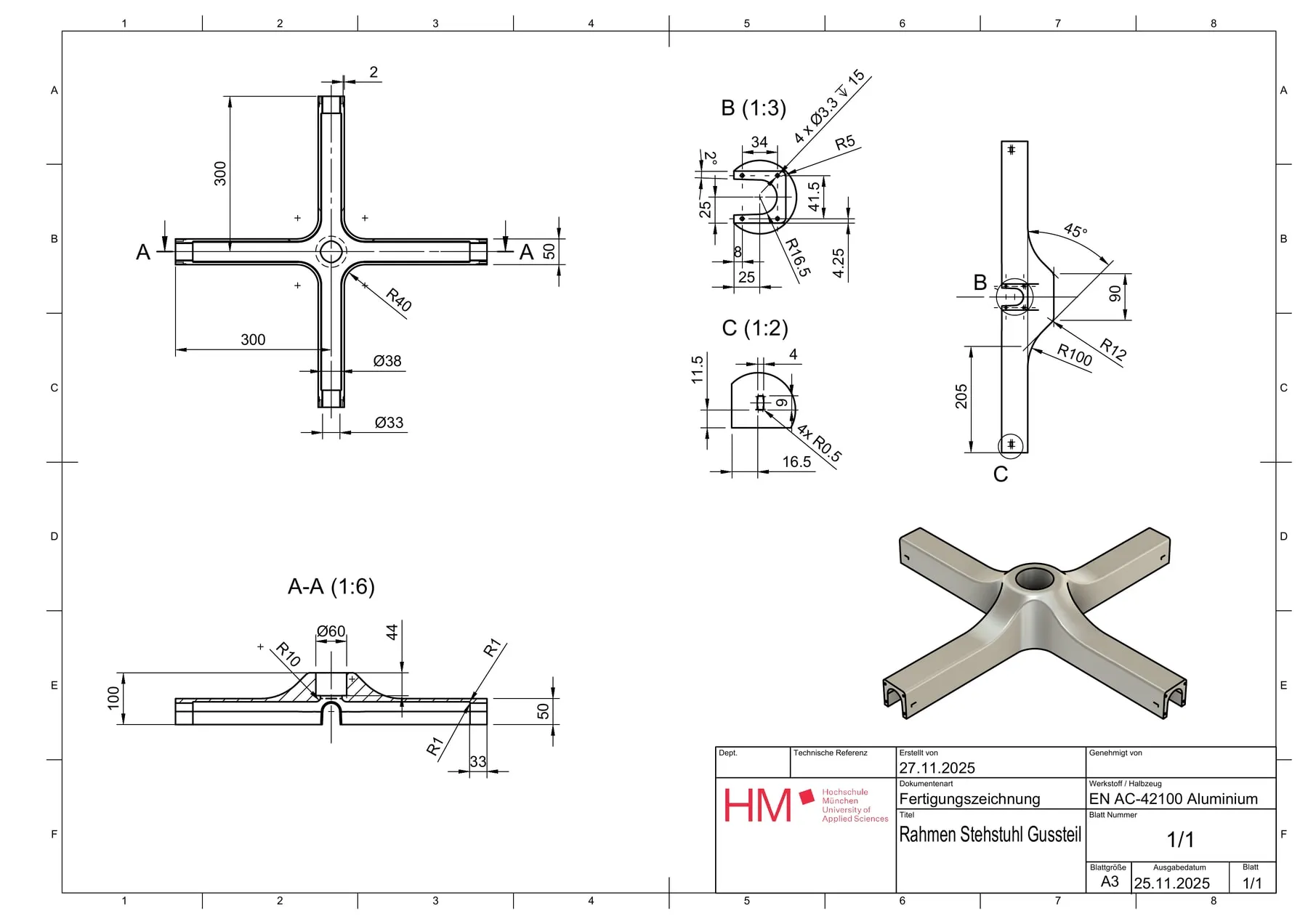
Version 1 split into three assemblies: cross base with drive, mid-section with tilt and height adjustment, and seat shell. That's what the first rough cost estimate under VDMA overhead costing was built on. A bolted two-piece part became a single casting, and the wheel cover now clips in instead of being screwed on — material efficiency, less post-machining, a cheaper alloy and a reused mould brought the unit price on paper from €32.50 to €23.44. Three more levers followed: the sprung footrest with its brake button gave way to a simple button, the joint plate got welded to the seat shell instead of bolted, and a standard joint with a clamp lever replaced the stepper motor, gearbox and custom casting on the tilt adjustment — with the four on the cross base, seven levers across the whole project.
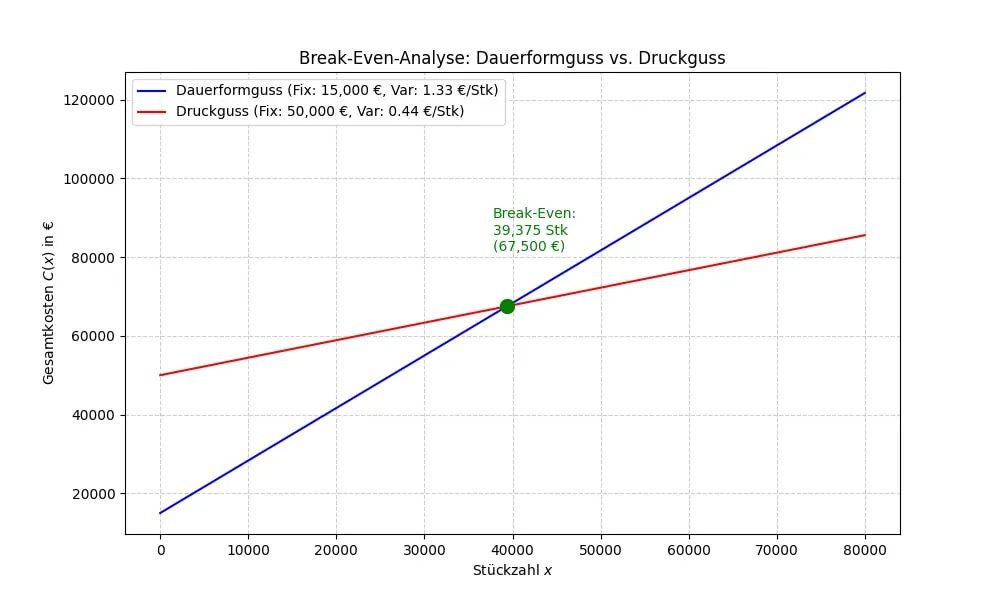
Then came two real quotes for the identical part, further apart than any internal estimate: CASTFAST calculated €274.60 in permanent-mould casting, assemblean €131.87 in die casting. The estimated sale price still dropped from €3,275 to €2,786, even as material costs rose, because real supplier quotes now reflect an assembly-based startup's cost structure better than the generic VDMA template did. A physical prototype of version 2 is still the next step.
The first draft was too weak and ran too hot.
Actuator design, Munich University of Applied Sciences, Winter 2025/26 · 3 months
A trade fair stand lives for three days.
Semester project with a packaging manufacturer, Summer 2023 · 3 months
The interesting part starts when the network drops.
Data communication, Munich University of Applied Sciences, Winter 2025/26 · 3 months
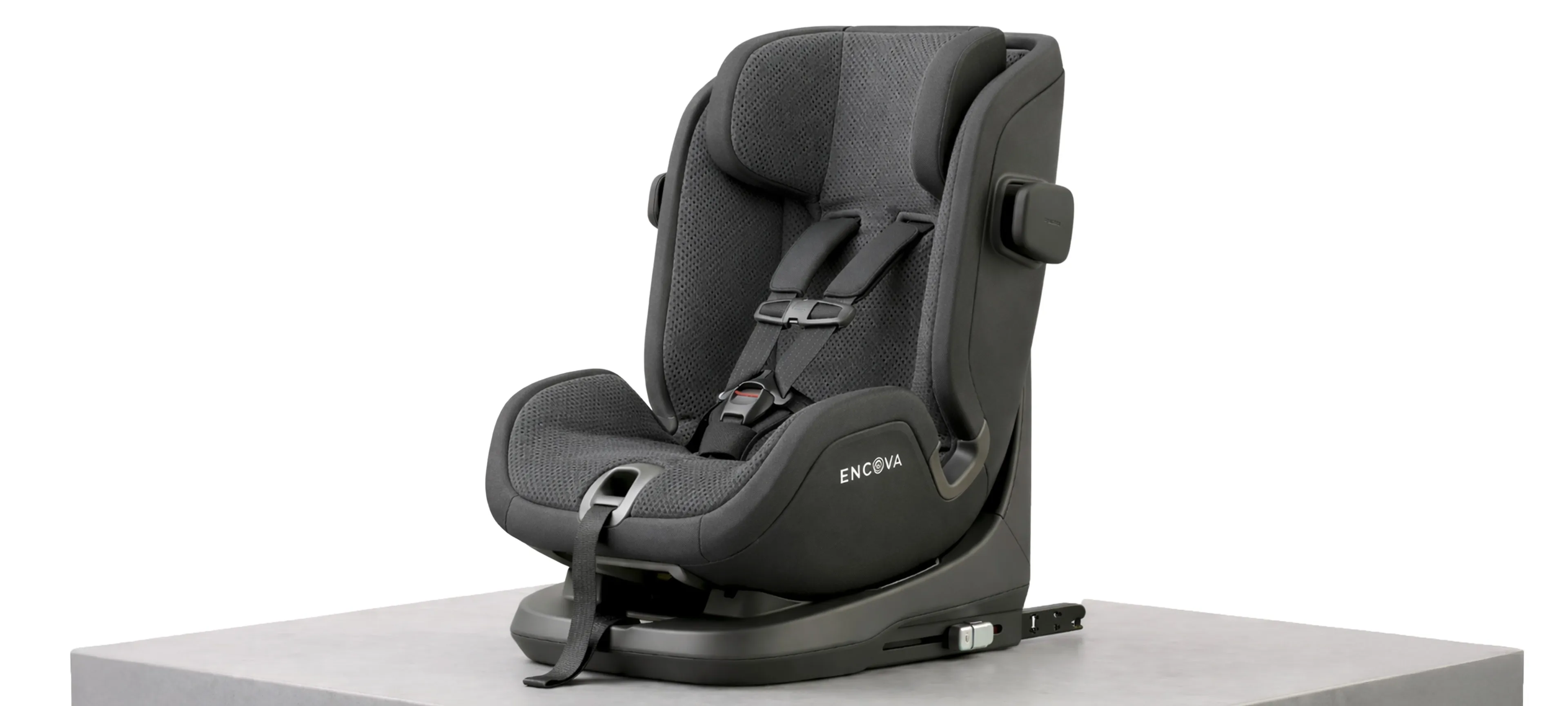
Friday morning, an open brief. Sunday at nine, hand-in.
VDI student competition “Mobility goes Additive”, Friedrichshafen, 17–19 April 2026 · 3 days
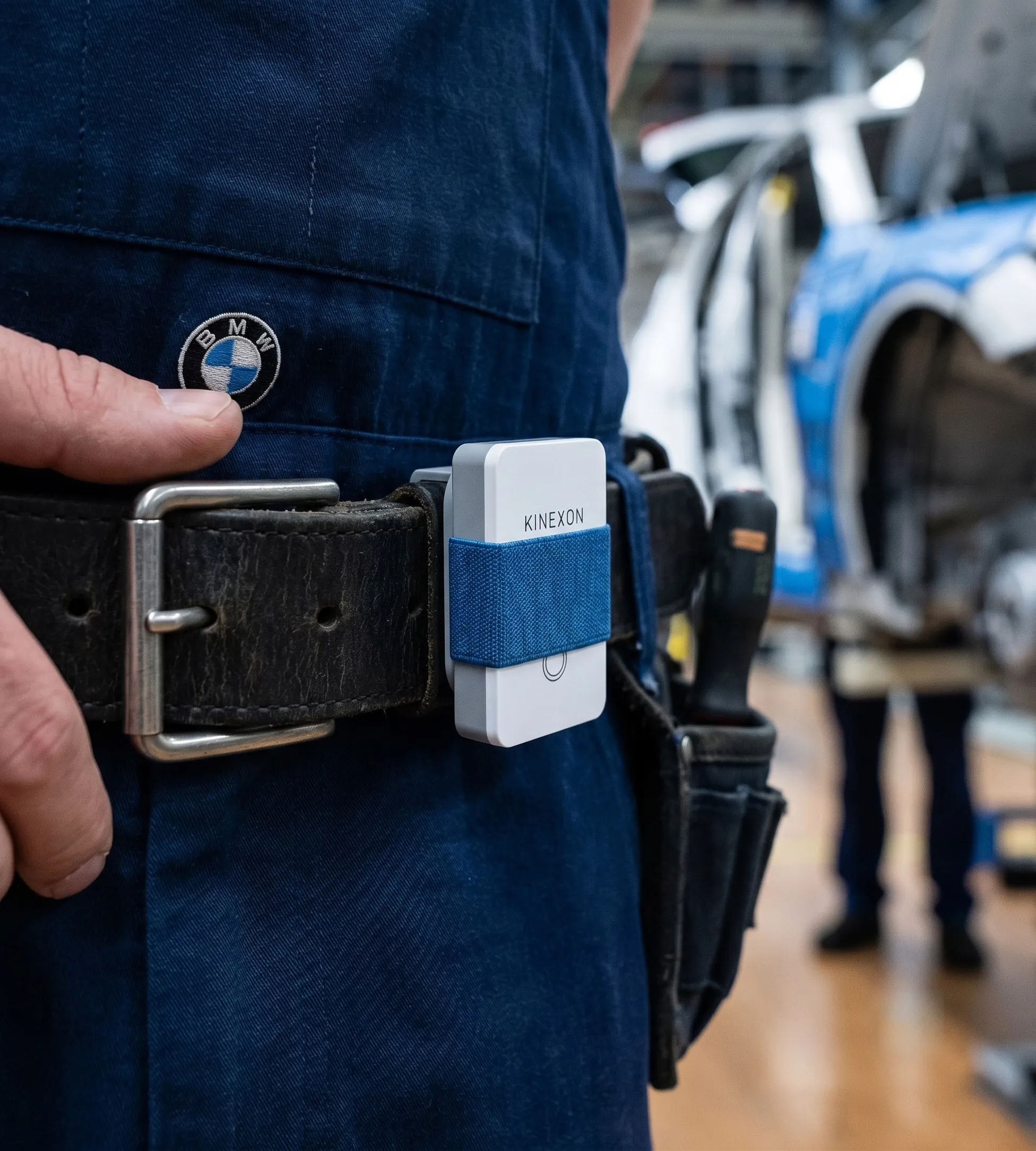
A safety sensor that hung like a forgotten ID badge.
Design cooperation with BMW, module TD5, THD, Winter 2023/24 · 3 months
Ansys proposes a shape, then gives up.
Simulation, Munich University of Applied Sciences, Summer 2026 · 3 months
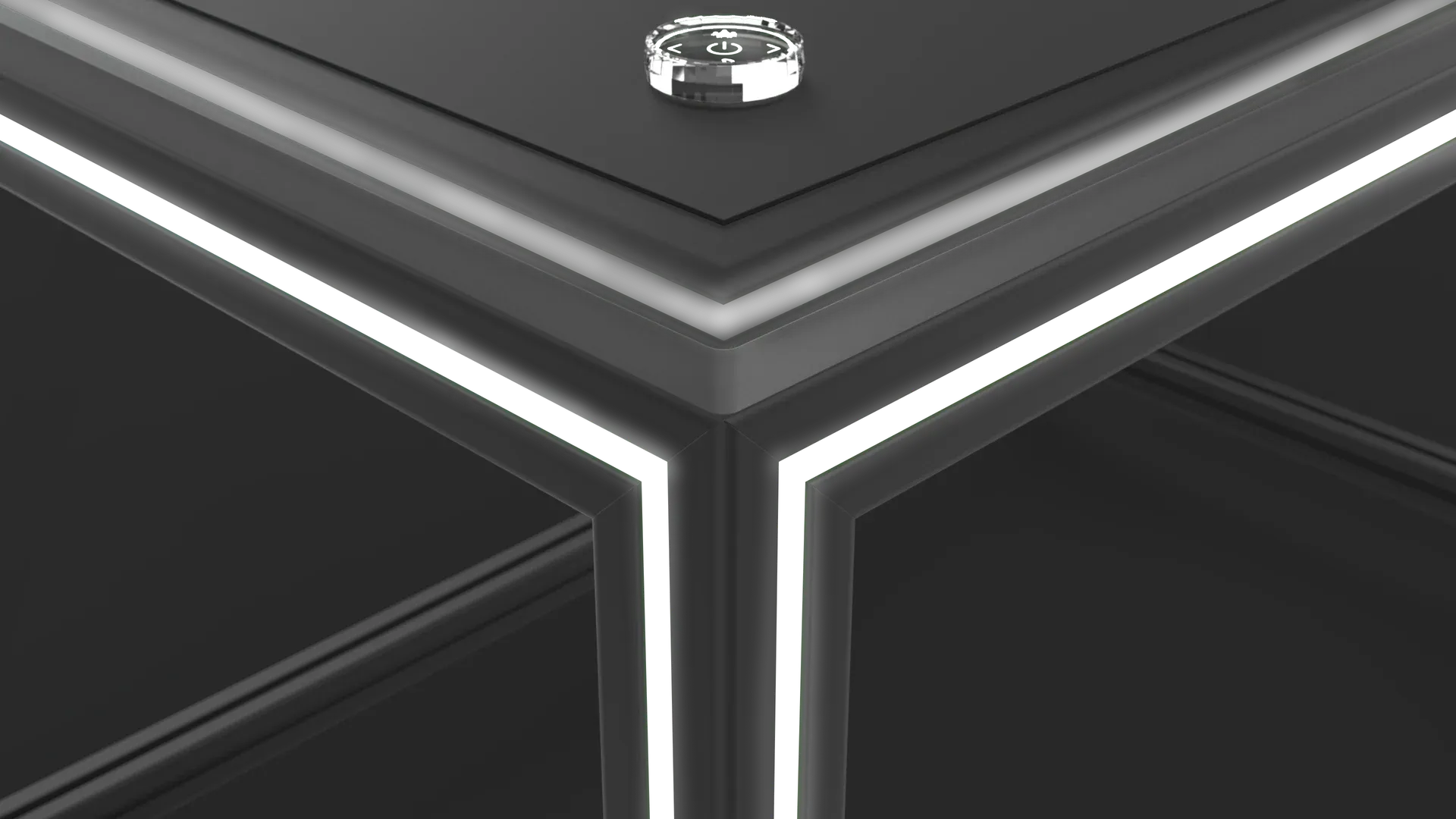
A new plant needs furniture for the shift briefing.
Cooperation project with BMW, Summer 2023 · 3 months
The simulation returns tables. It never says where the bottleneck is.
Built alongside the course, Summer 2026 · 3 months

One curve does the handle, the rim and the stacking.
Semester project, Summer 2022 · 3 months
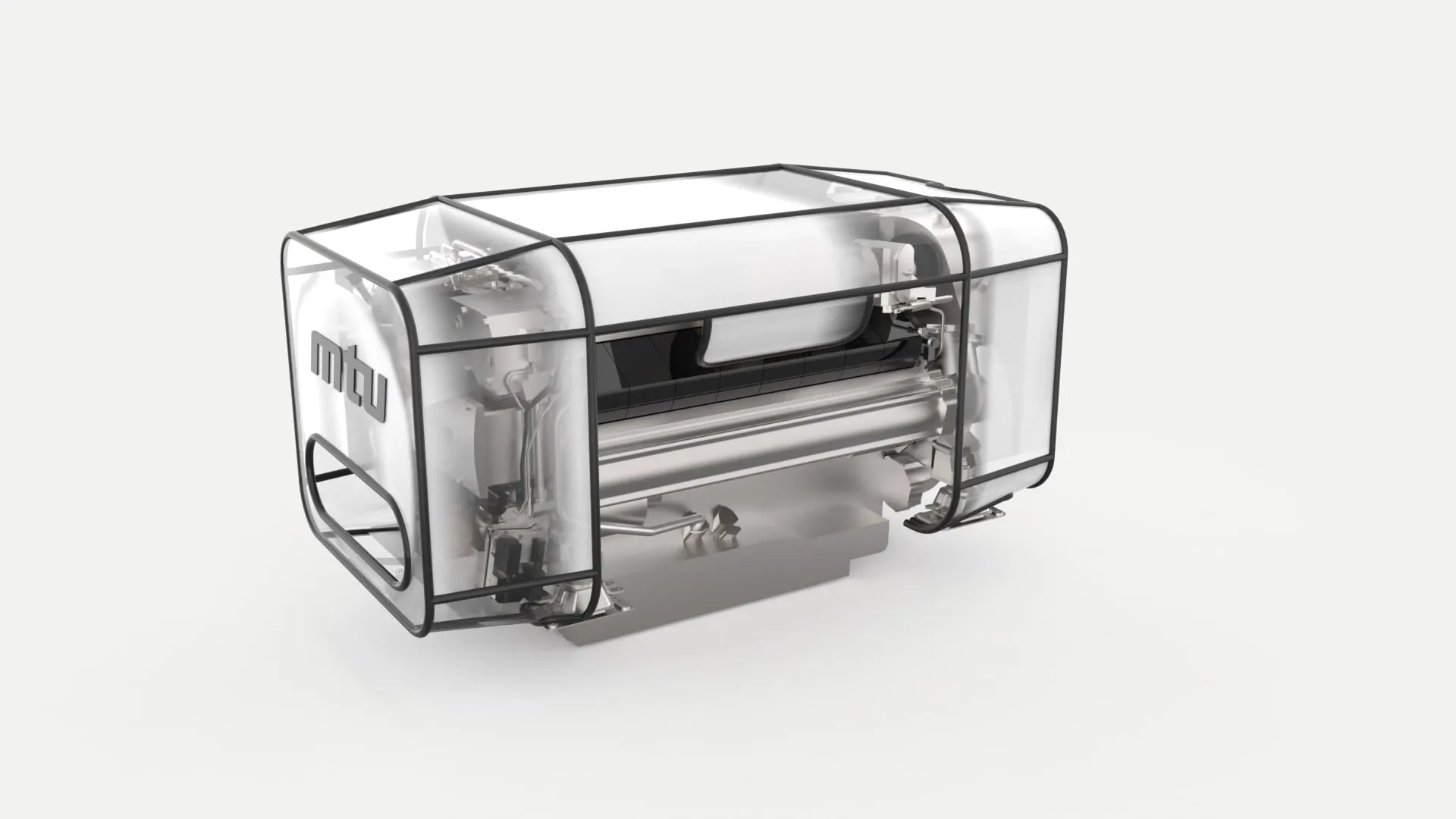
An industrial engine looks like what it is: a machine.
Collaboration with mtu / Rolls-Royce Power Systems, Winter 2022/23 · 3 months
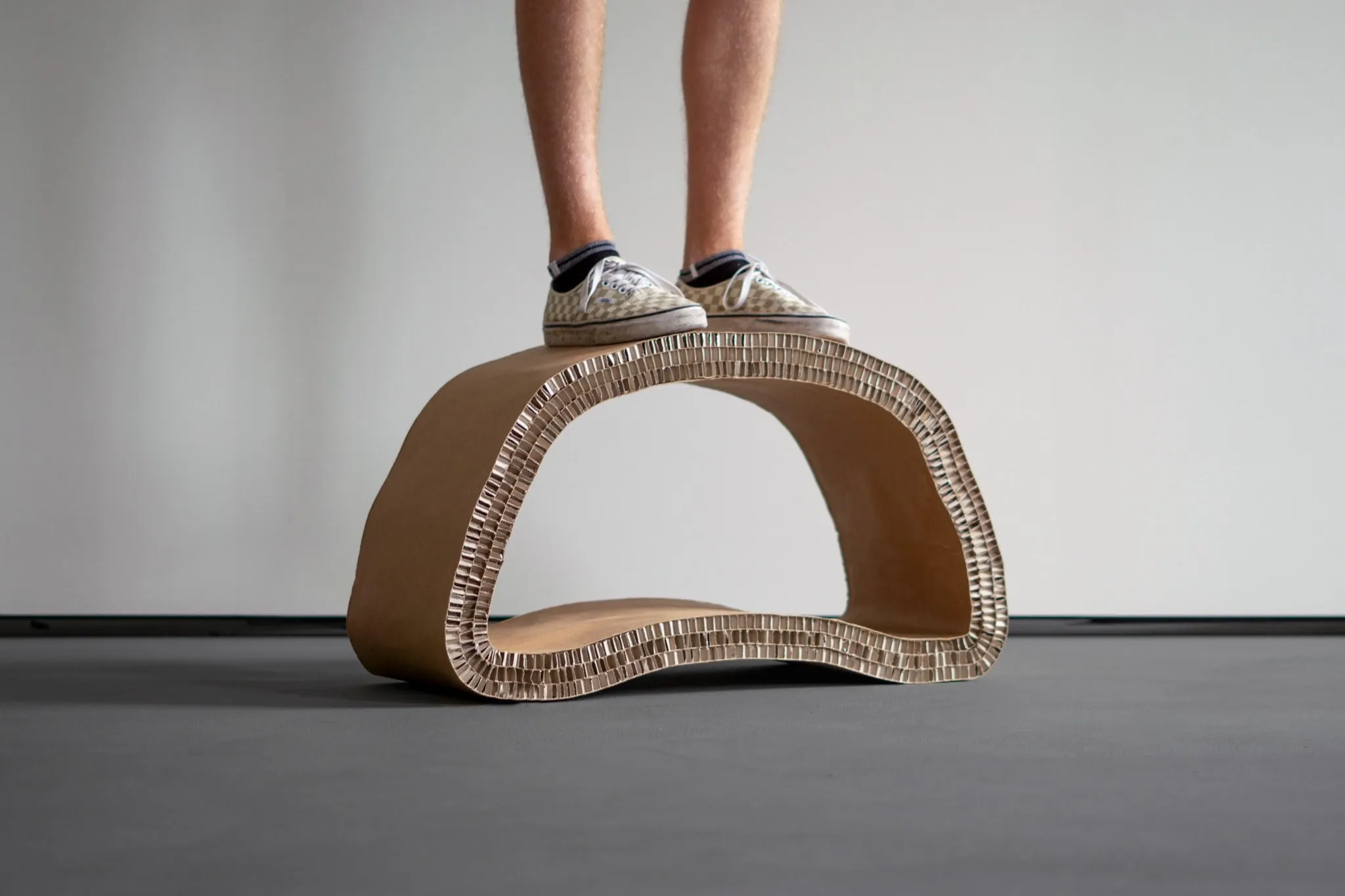
Open, the board bends in your hands.
Semester project with a packaging manufacturer, Summer 2023 · 3 months
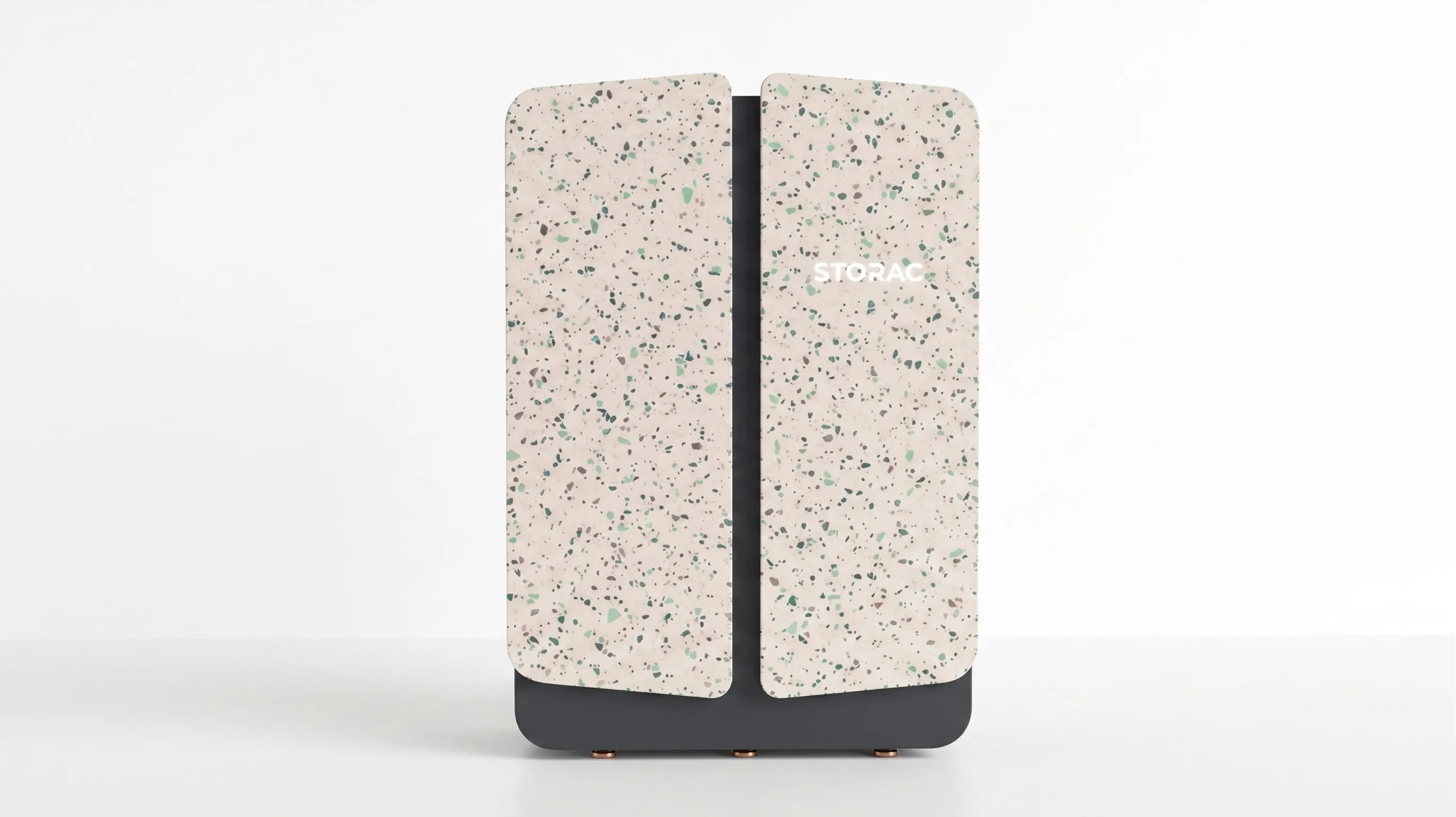
A home battery that looked like a switch cabinet.
Design cooperation with Prolux Solutions, THD, Mar–Jul 2023 · roughly 3.5 months
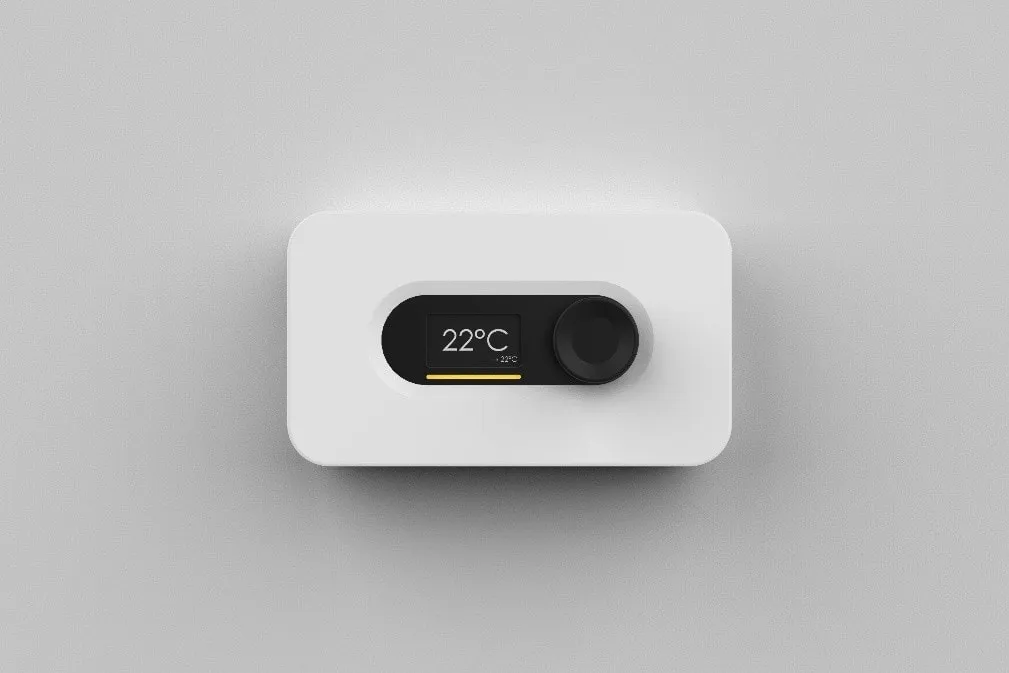
The university had the electronics and no enclosure.
Commissioned work for the university, Winter 2024/25 · 3 months
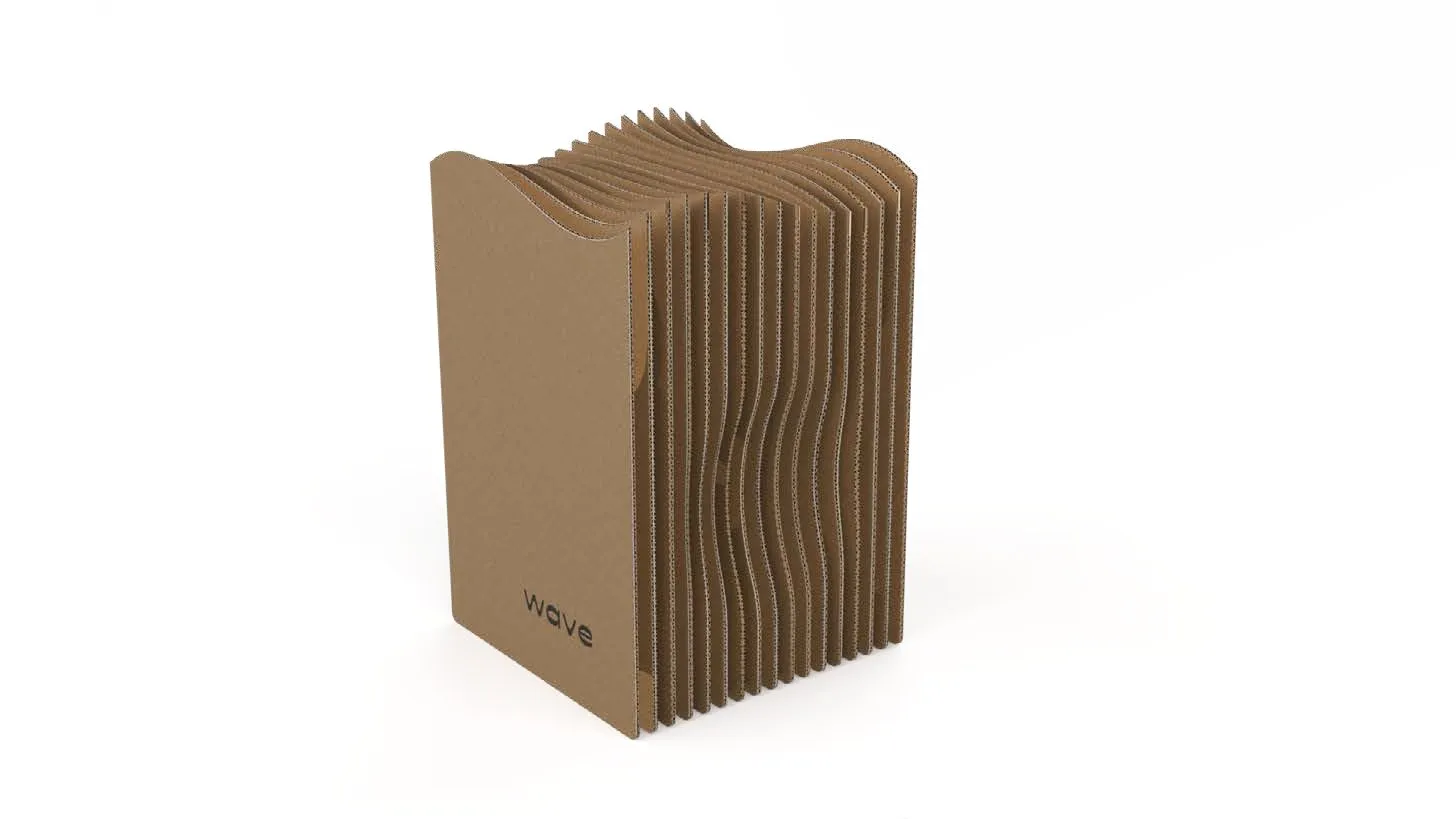
A cardboard box that makes a speaker louder without adding a single watt.
Material workshop, THD, 29 Apr – 7 May 2023 · one week