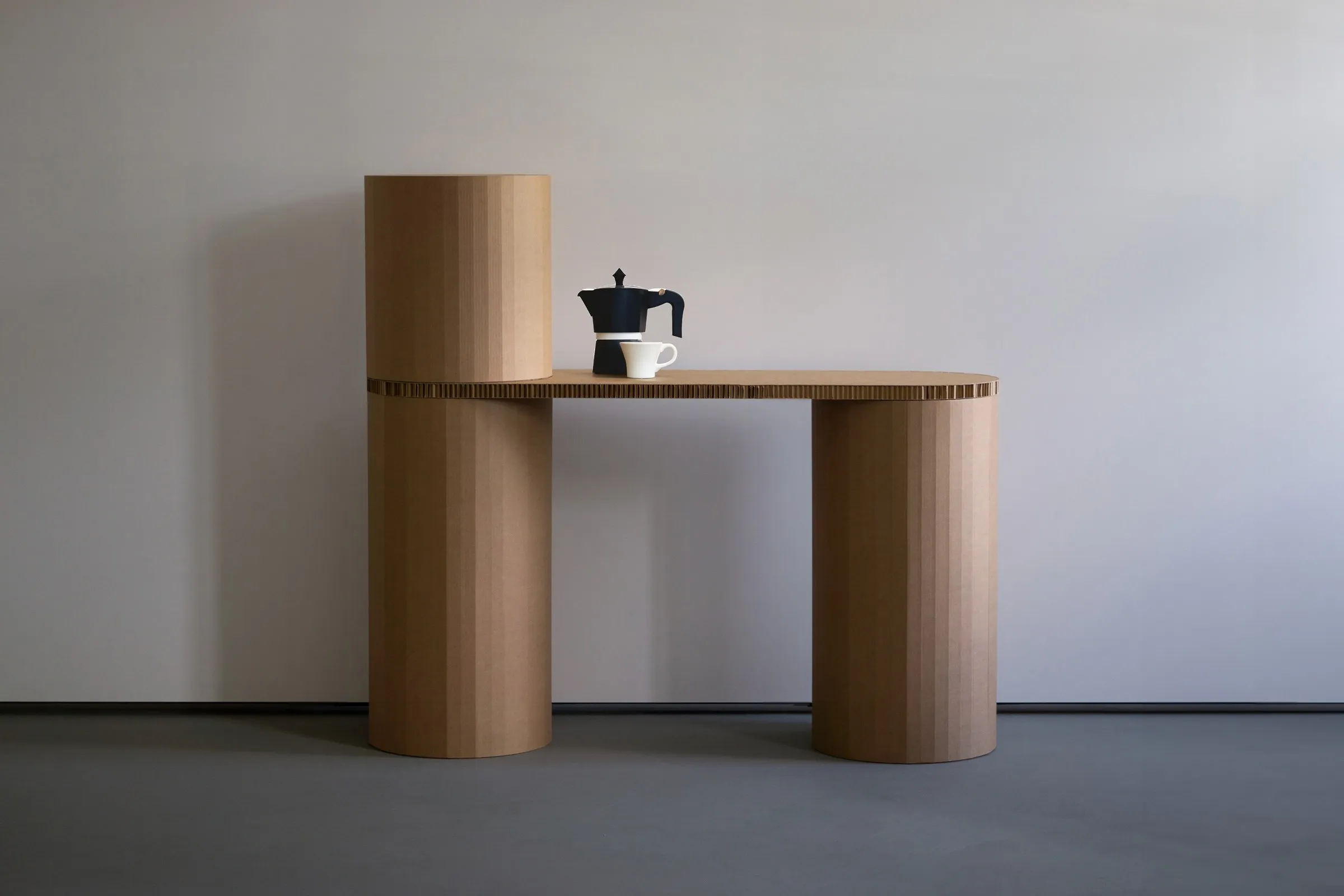
Flat-Pack Exhibition System
A trade fair stand lives for three days.
Semester project with a packaging manufacturer, Summer 2023 · 3 months
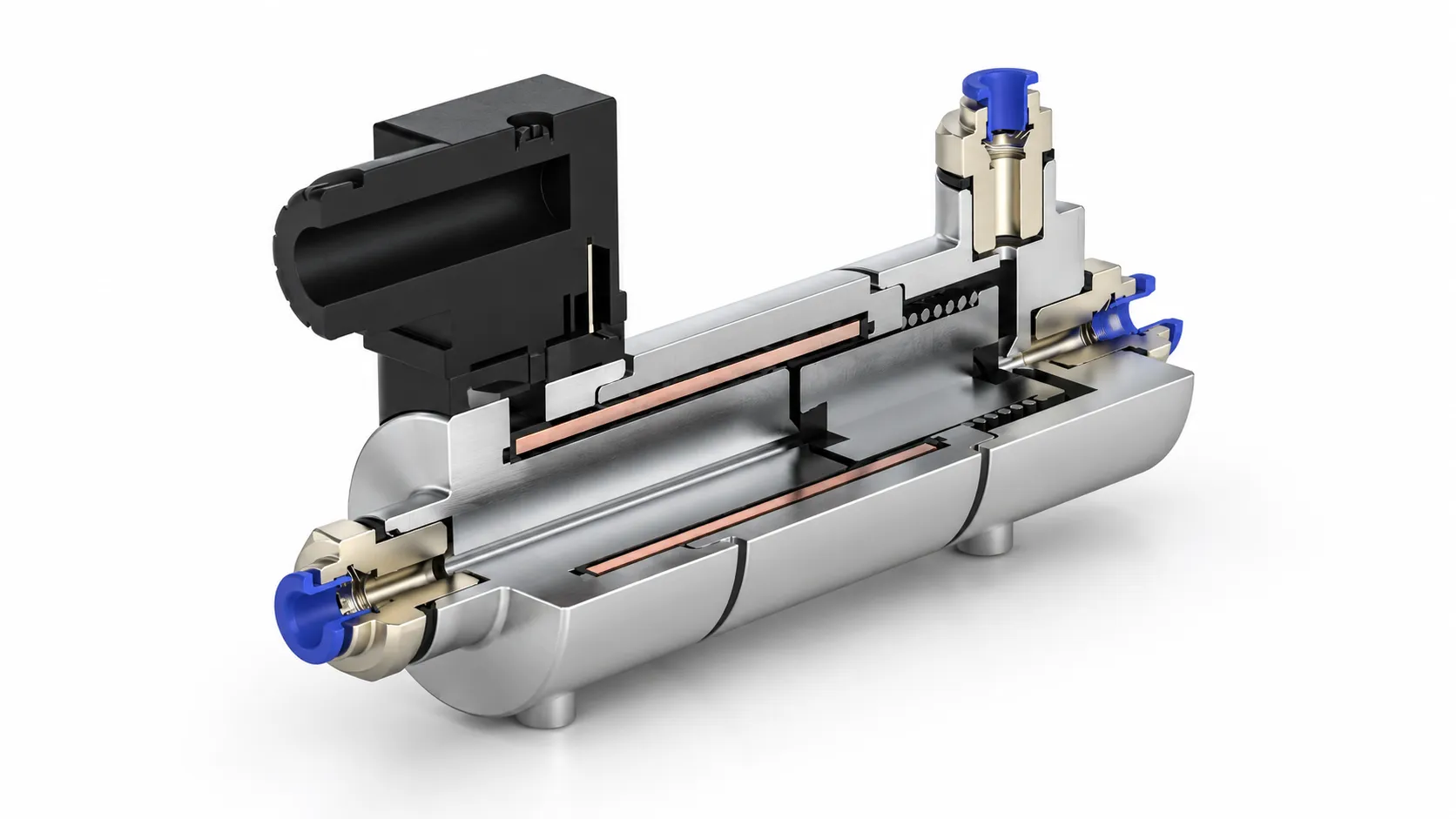
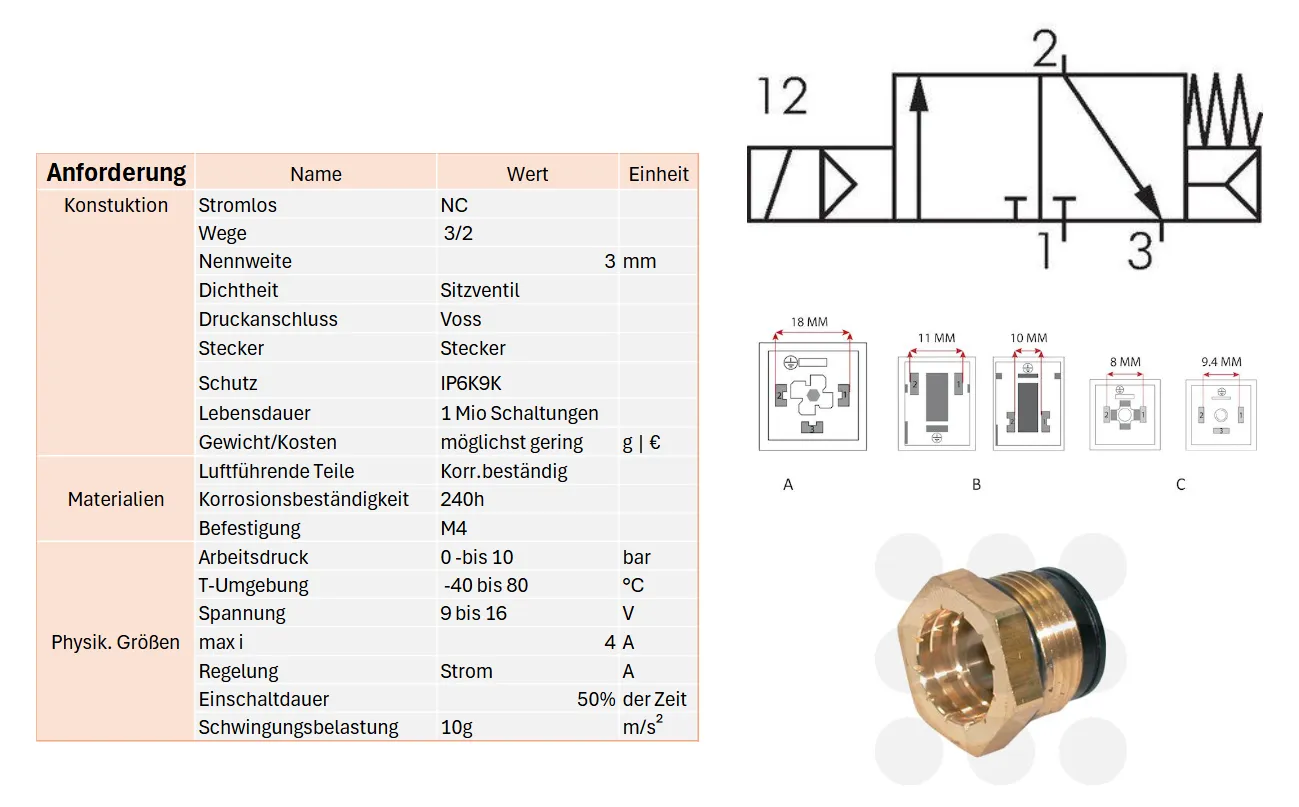
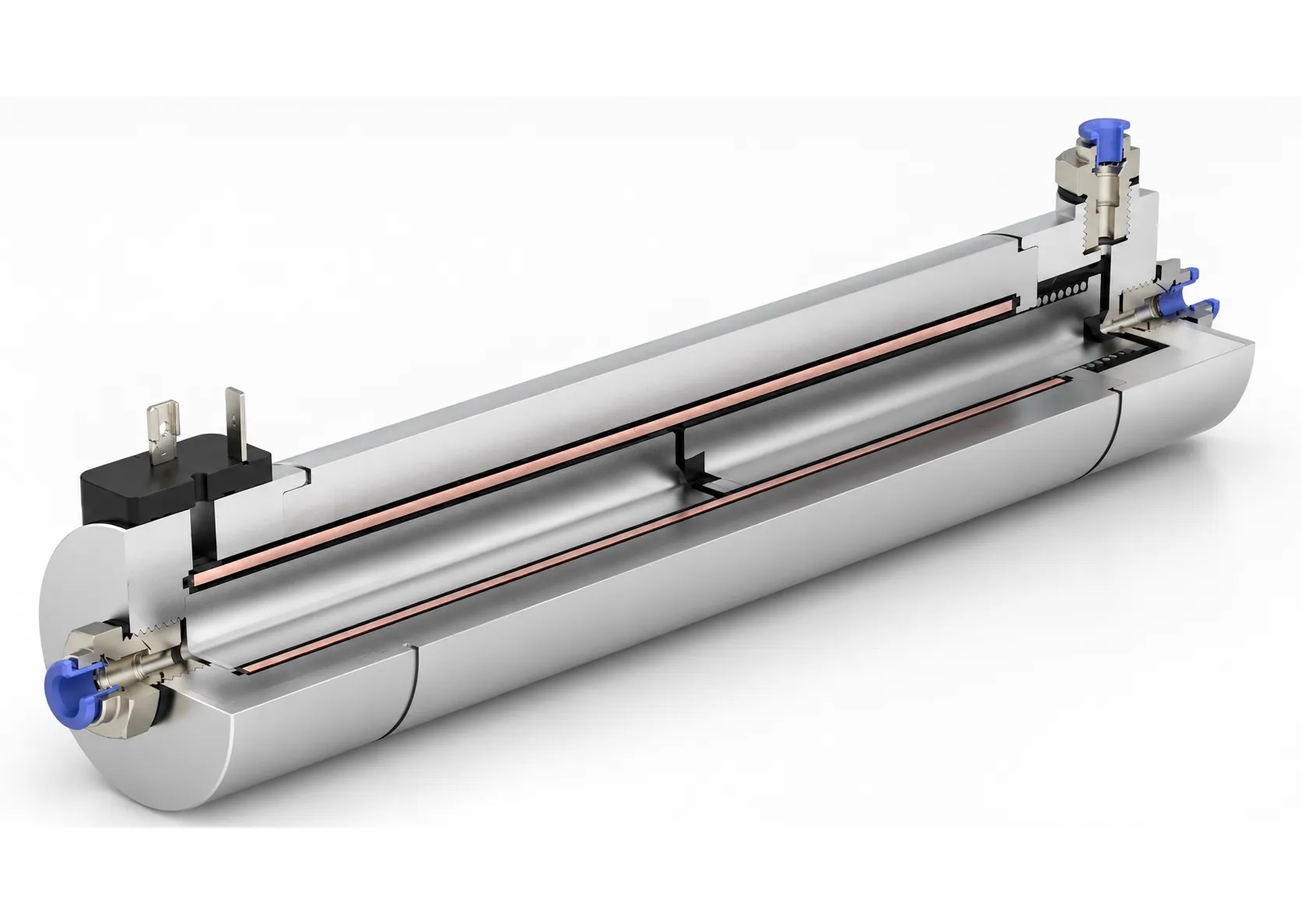
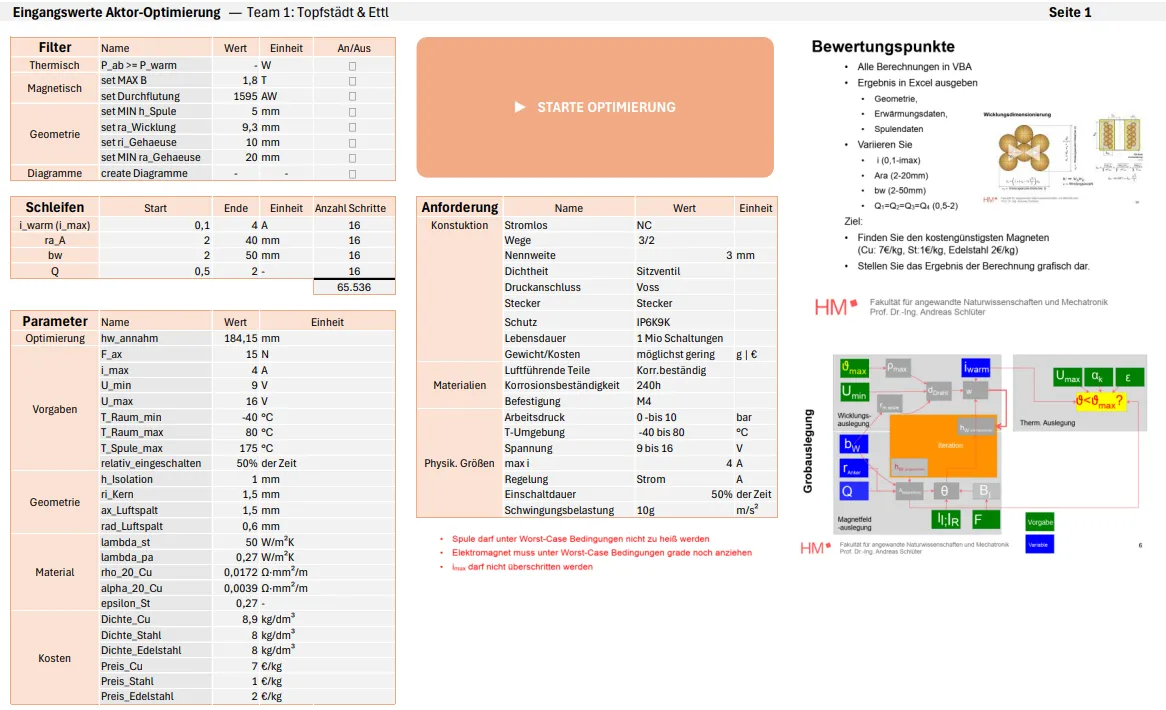
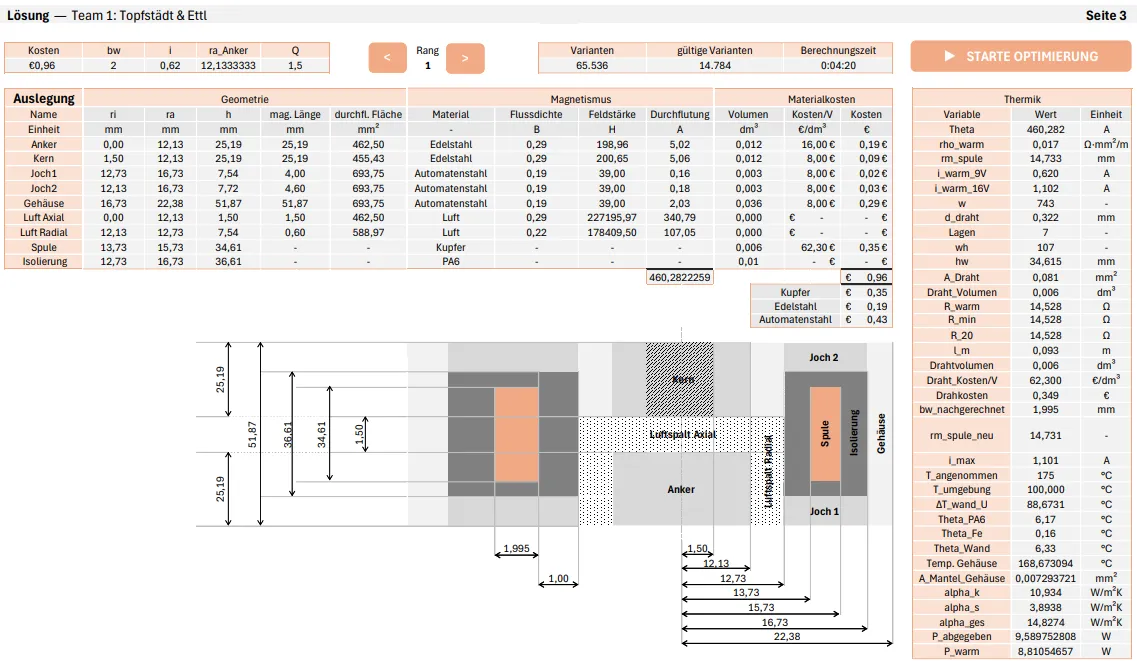
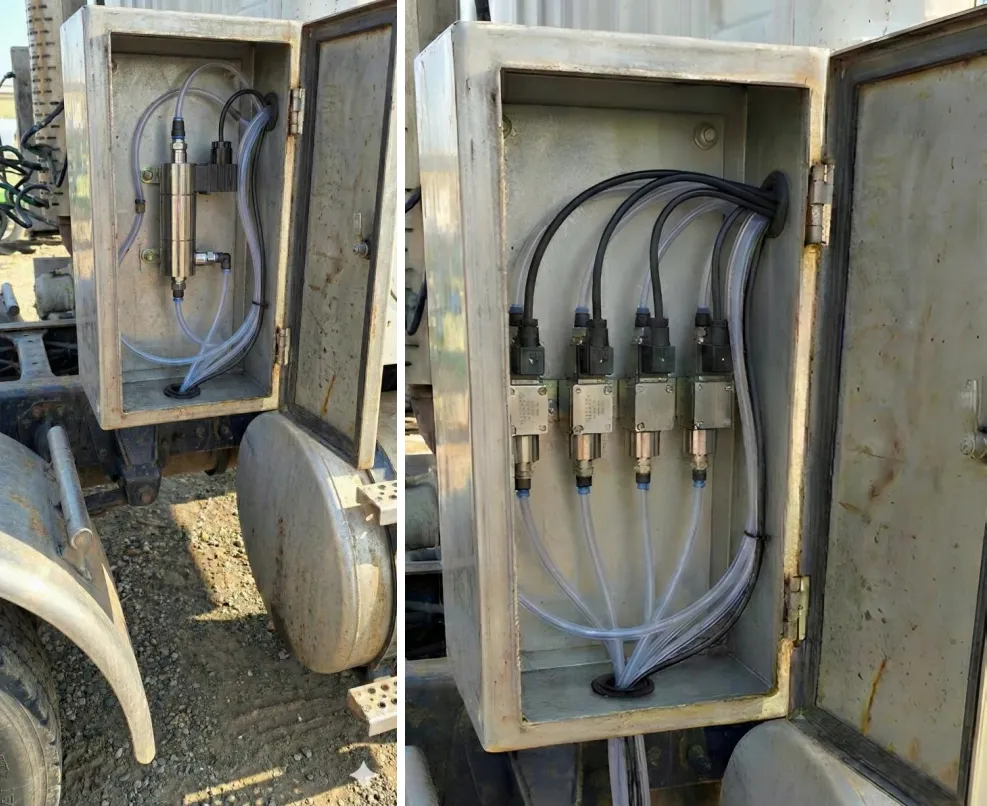
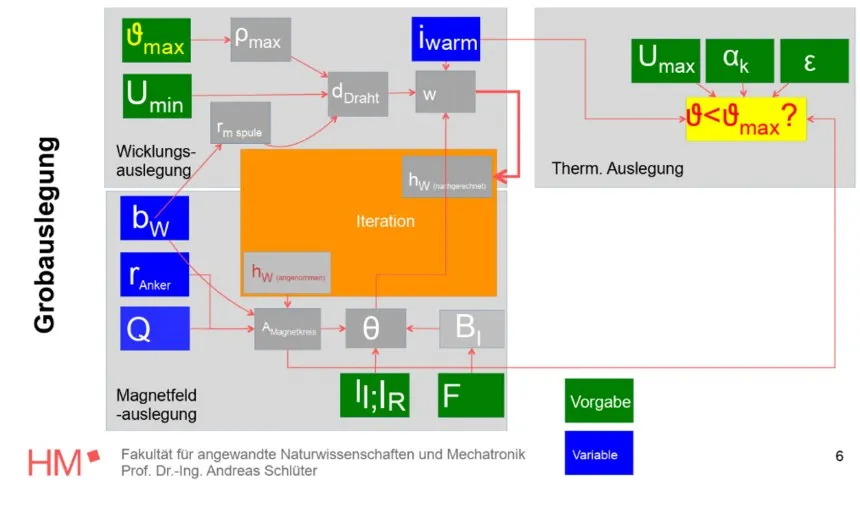
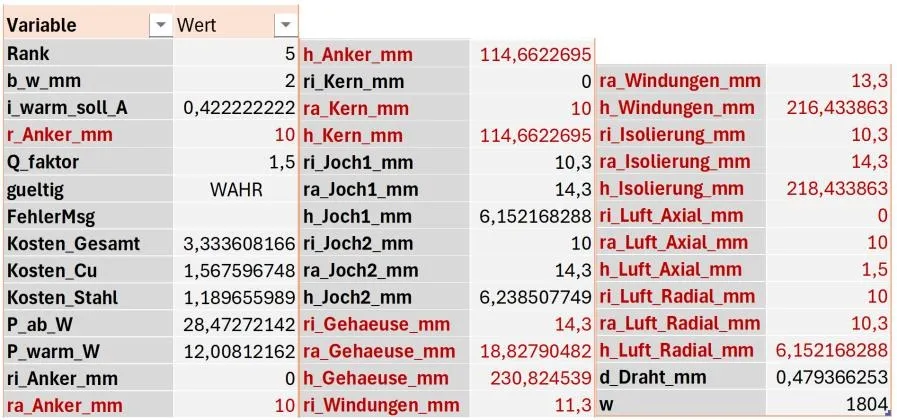
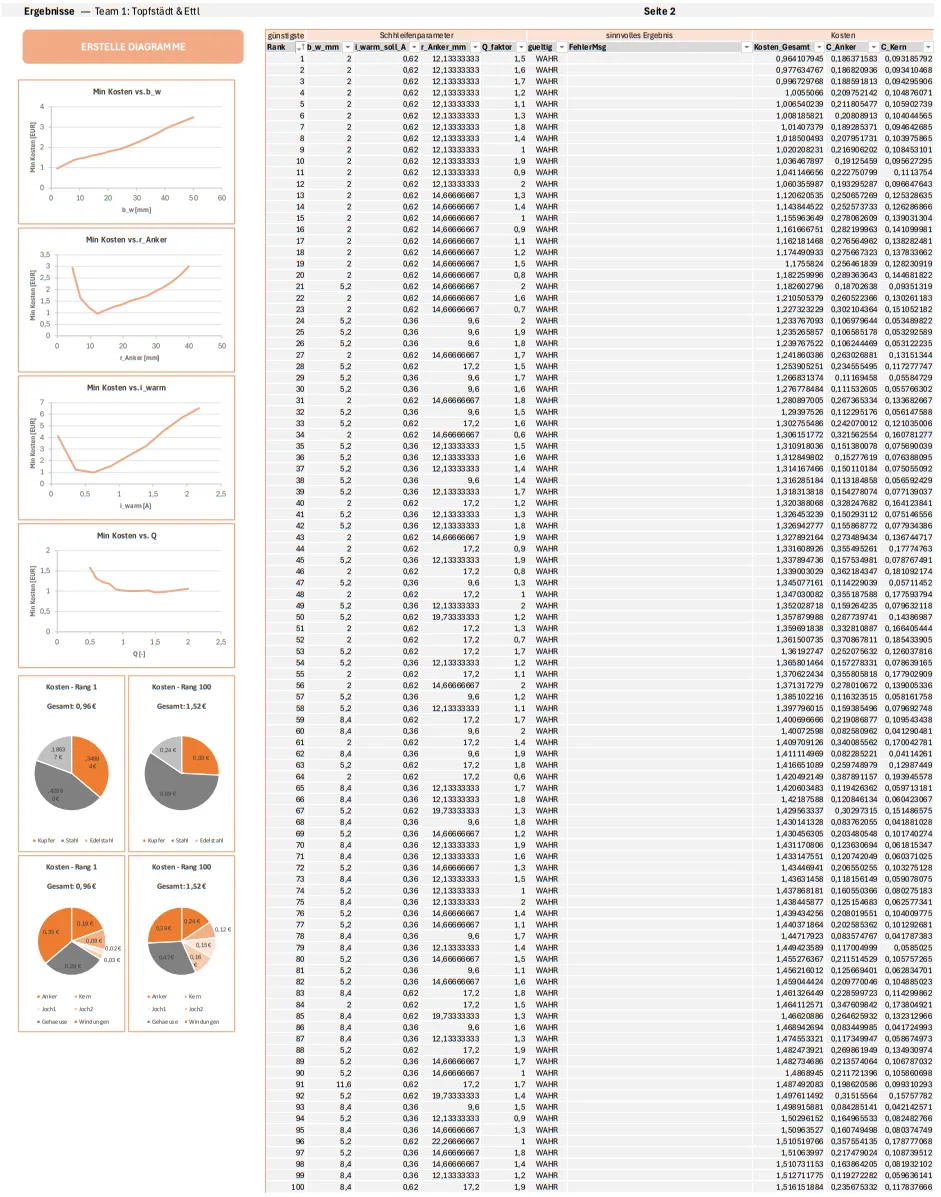
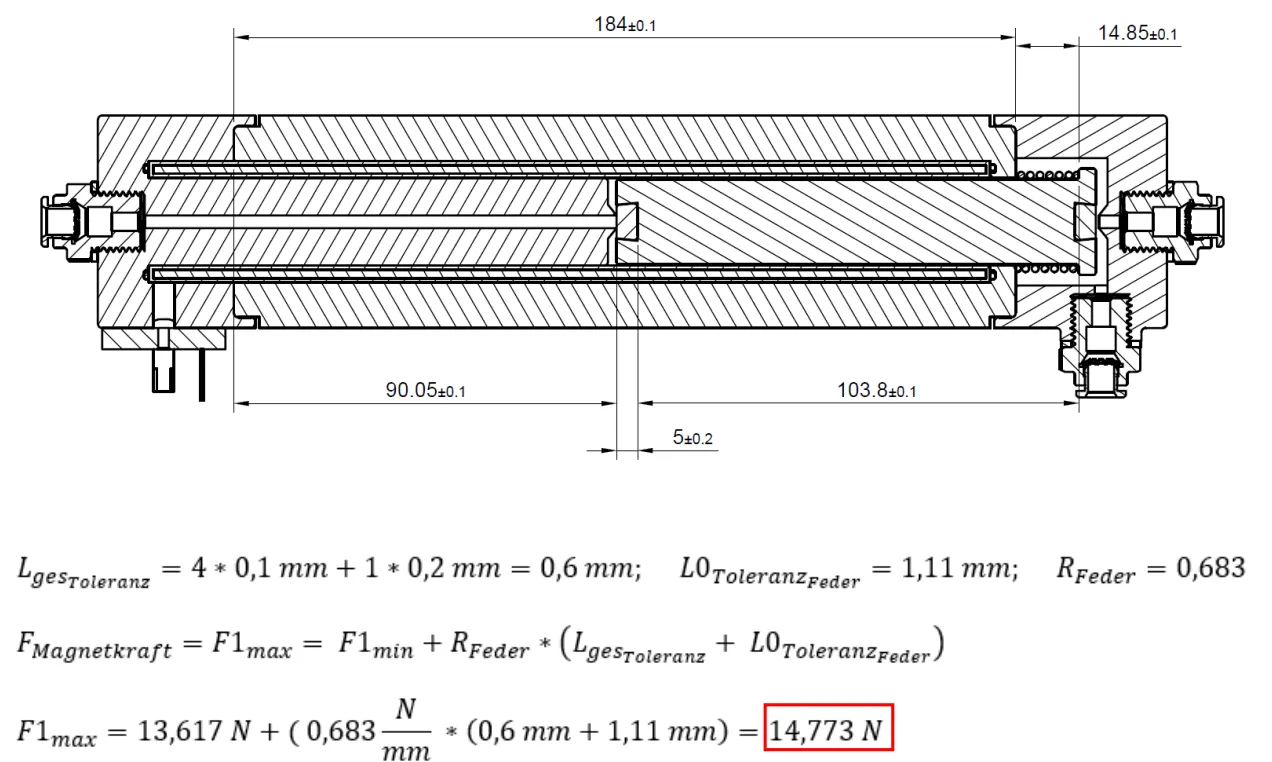
The brief called for a 3/2-way valve for commercial vehicles: 10 bar pressure resistance, thermal stability to 175 °C, 9–16 V across −40 to 80 °C ambient — the target was material cost, not performance. The architecture came together fast, sized with classical analytical formulas. Alongside it I built an Excel-VBA tool for the preliminary sizing, one that solves the magnetic circuit, derives winding and wire diameter, and sweeps the whole parameter space for the cost minimum.
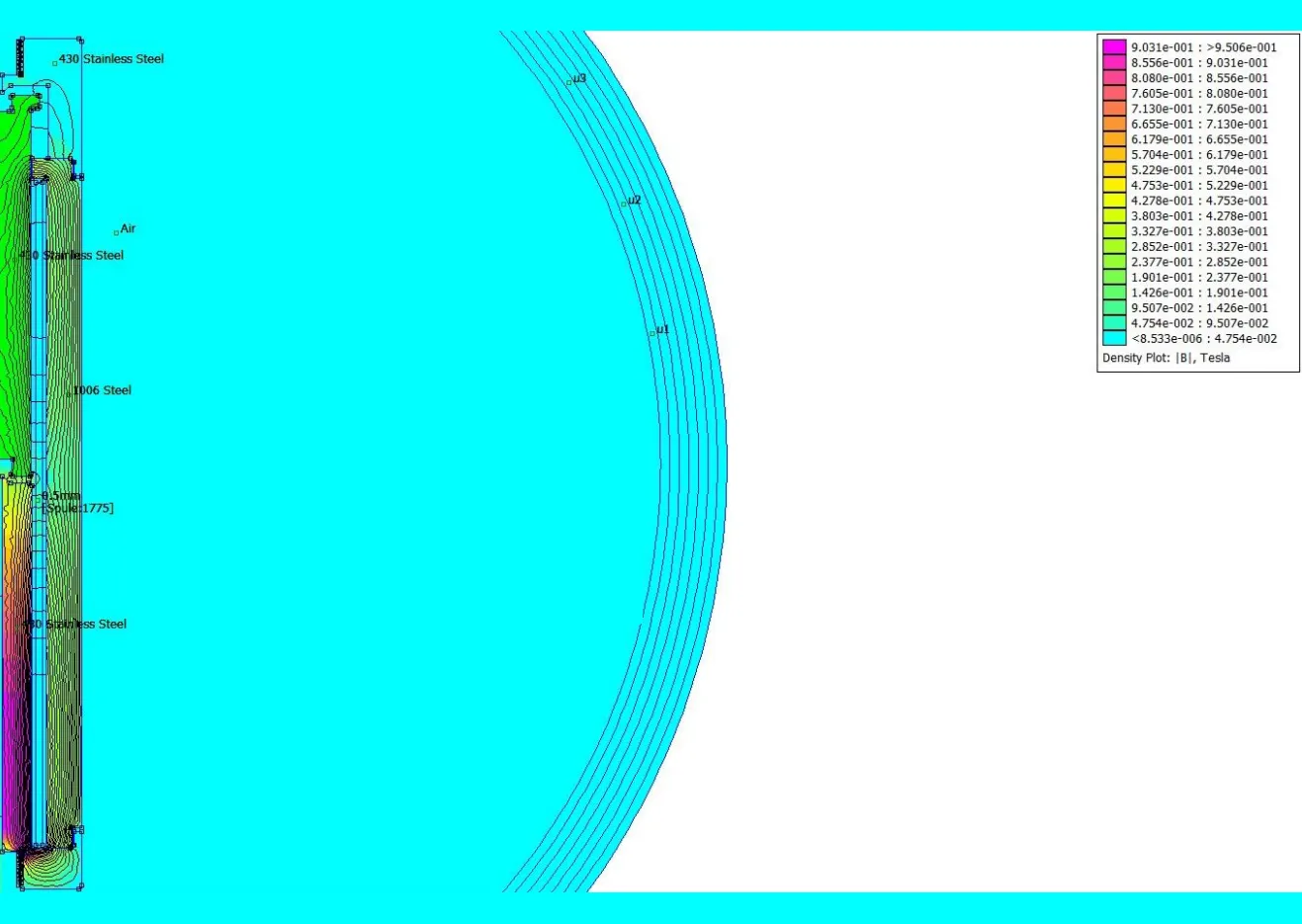
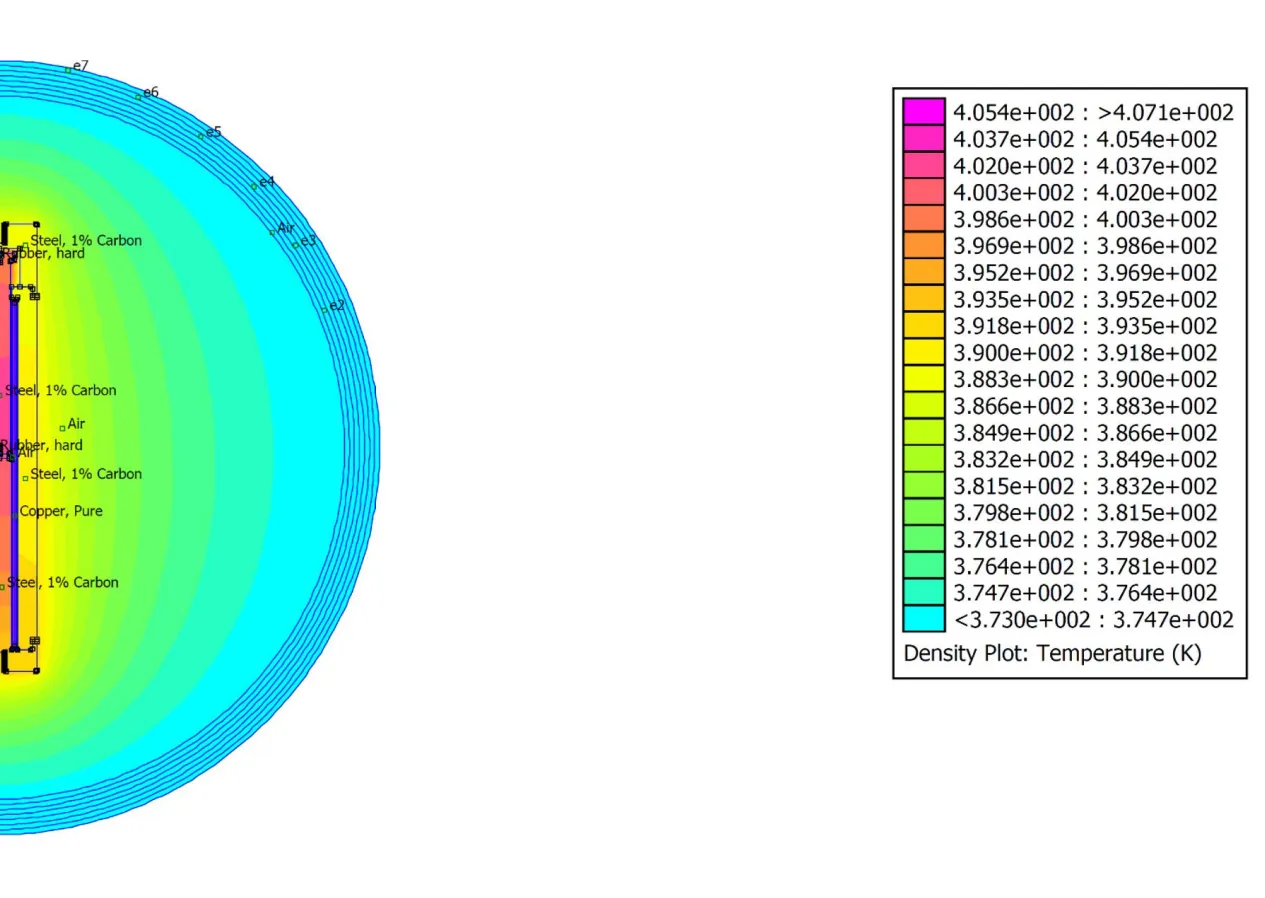
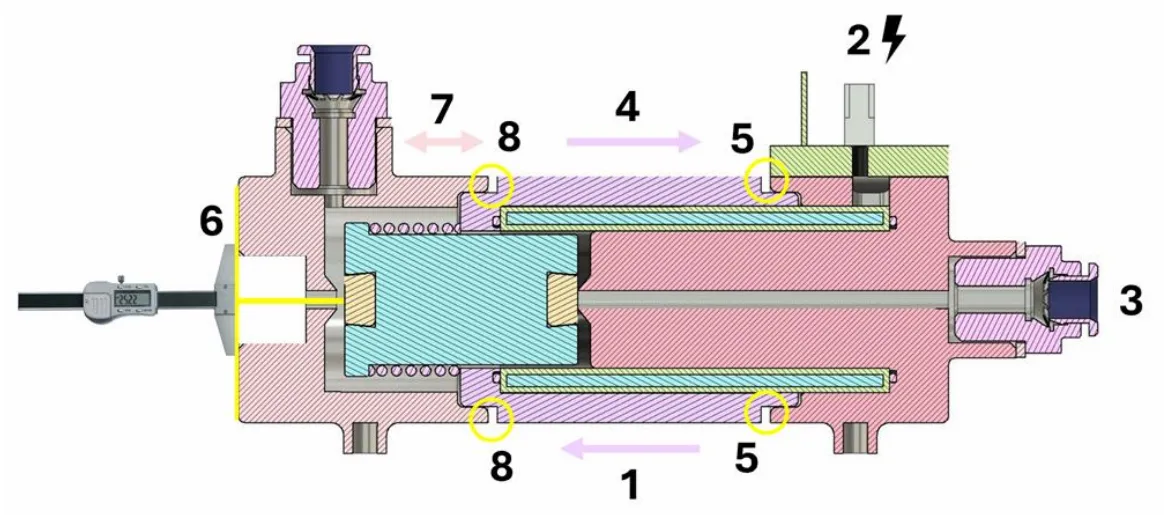
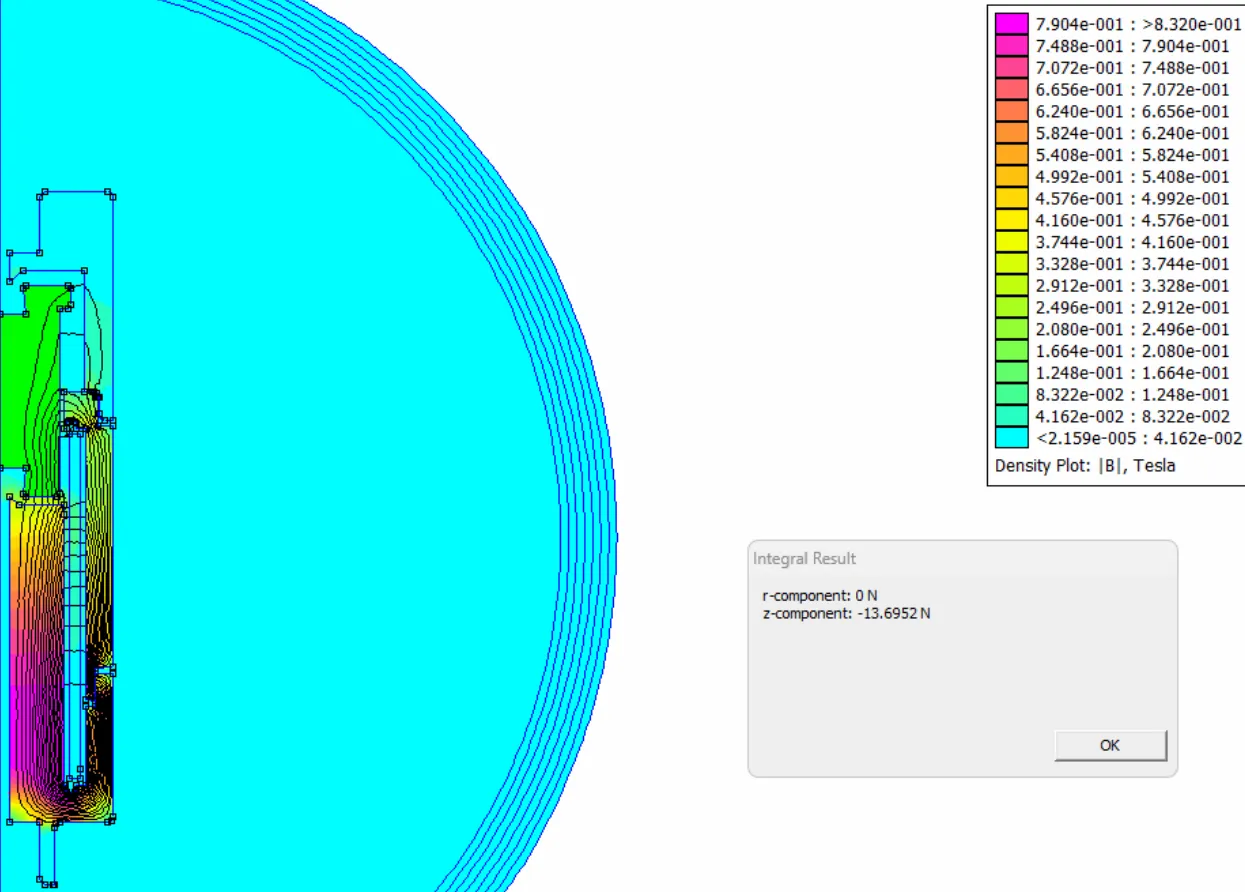
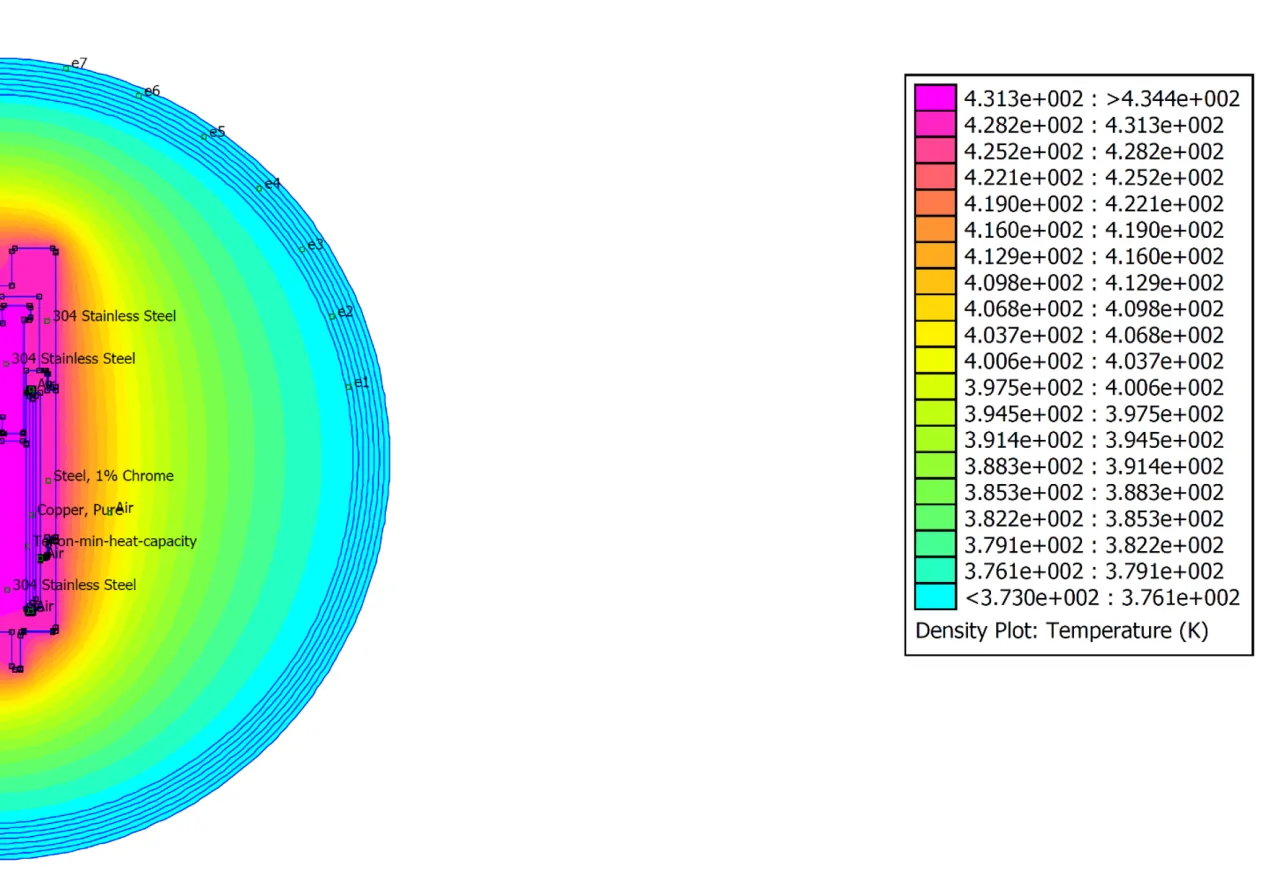
The reality check in FEMM said no: the armature delivered only 8.43 N against the 14.77 N required, because stray flux forms around the air gap that the analytical calculation never sees. Thermally it was the opposite: the coil hotspot sat at 134 °C, well under the 175 °C limit — so the part ended up too big and wasted material.
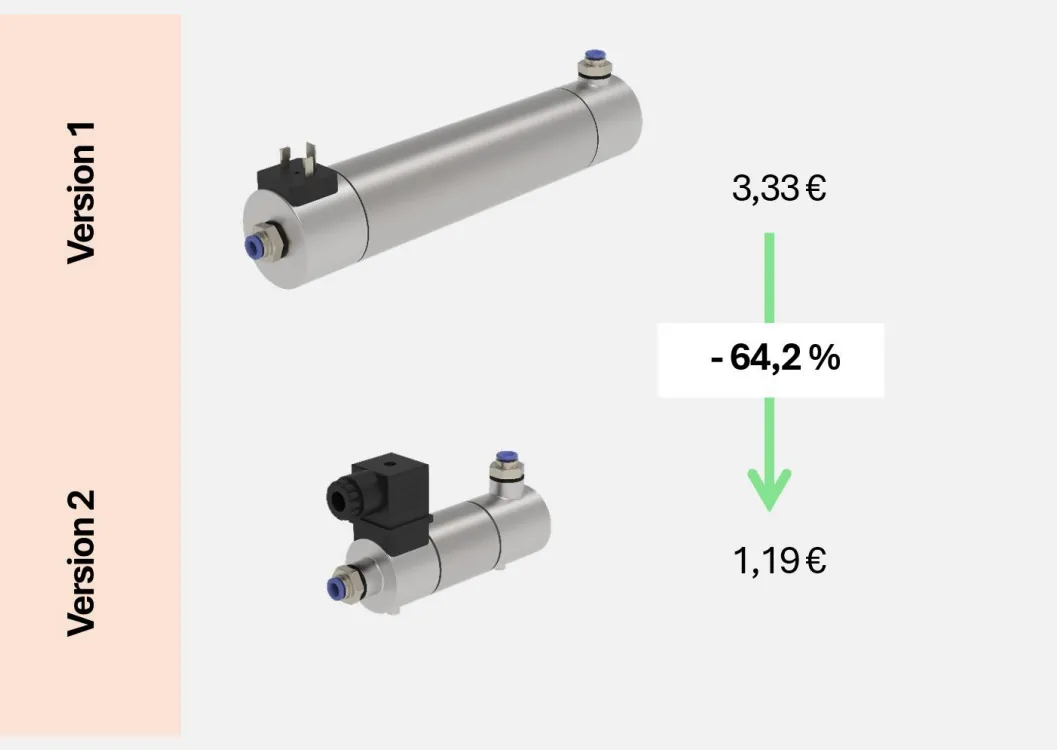
Trial and error wasn't going to settle this trade-off, so the VBA script swept systematically across more than 65,000 parameter combinations. The dashboard makes cost drivers instantly tangible, showing how cost tracks coil width, for instance. The ideal parameters it found, ones that fully use the thermal envelope, became the basis for version 2. Version 2 pushes the thermal margin to 161 °C, hits the required force, and cuts material cost by 64% to 1.19 € against 3.33 € in version 1 — with less material, smaller volume and higher current density.
To keep production costs down, it skips tight manufacturing tolerances; the critical air gap gets set precisely during final assembly instead, right before the housing is welded. A version 3 with a square housing instead of round could push material cost below 1.00 € — none of it has been built yet, every number here comes from simulation, and the honest next step is a force-stroke test rig.
A trade fair stand lives for three days.
Semester project with a packaging manufacturer, Summer 2023 · 3 months
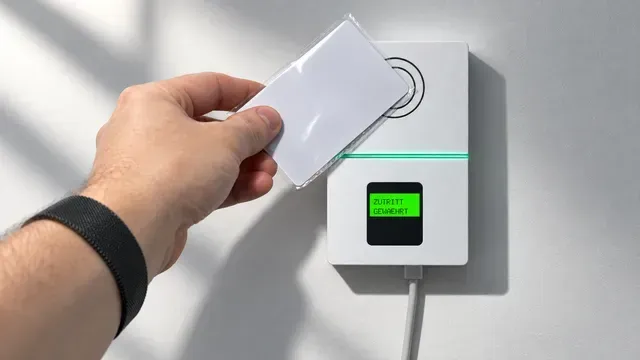
The interesting part starts when the network drops.
Data communication, Munich University of Applied Sciences, Winter 2025/26 · 3 months
Friday morning, an open brief. Sunday at nine, hand-in.
VDI student competition “Mobility goes Additive”, Friedrichshafen, 17–19 April 2026 · 3 days
Two real quotes for the same part, more than double apart.
Mechatronic Product Development, Munich University of Applied Sciences, Winter 2025/26 · 3 months
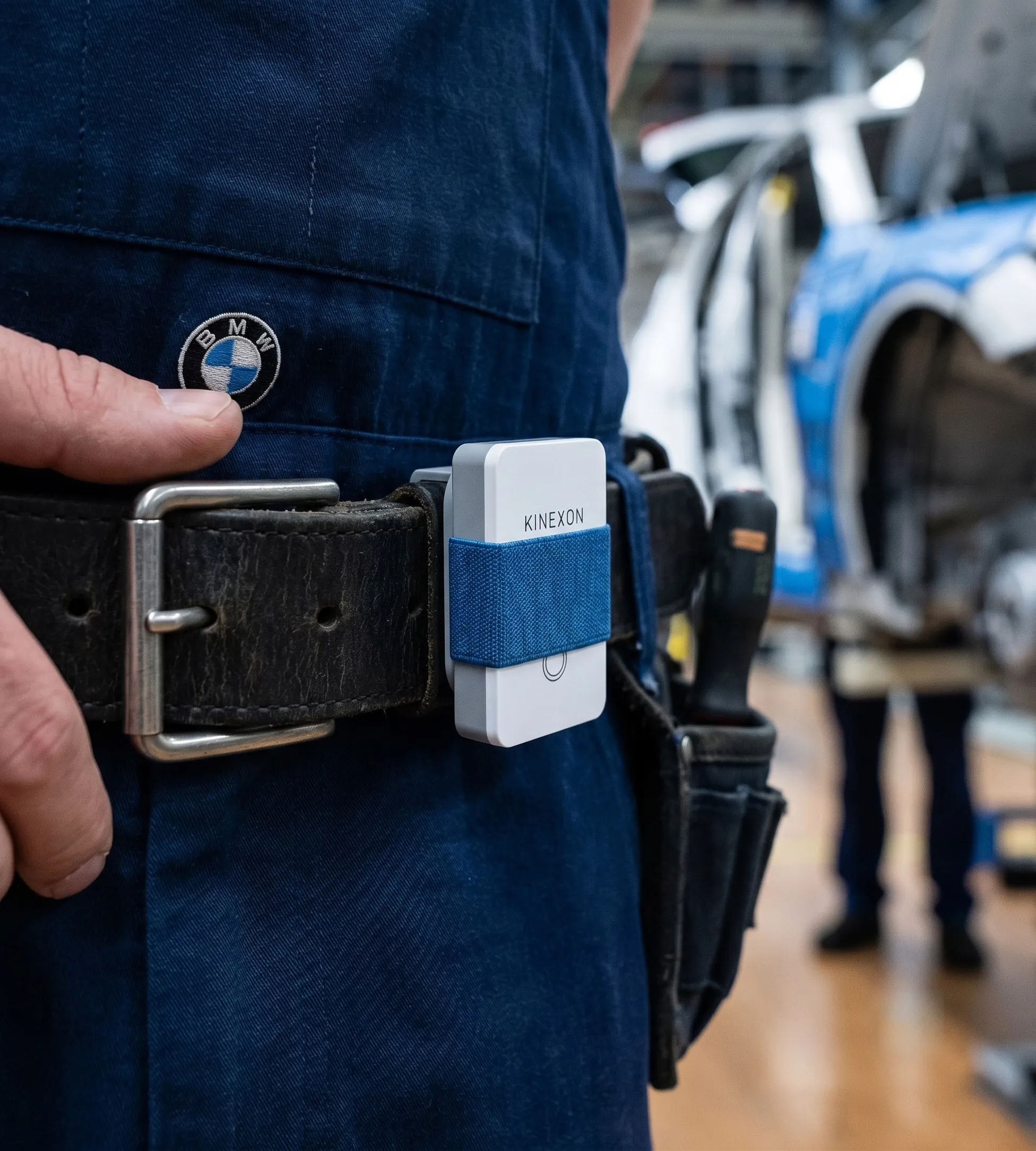
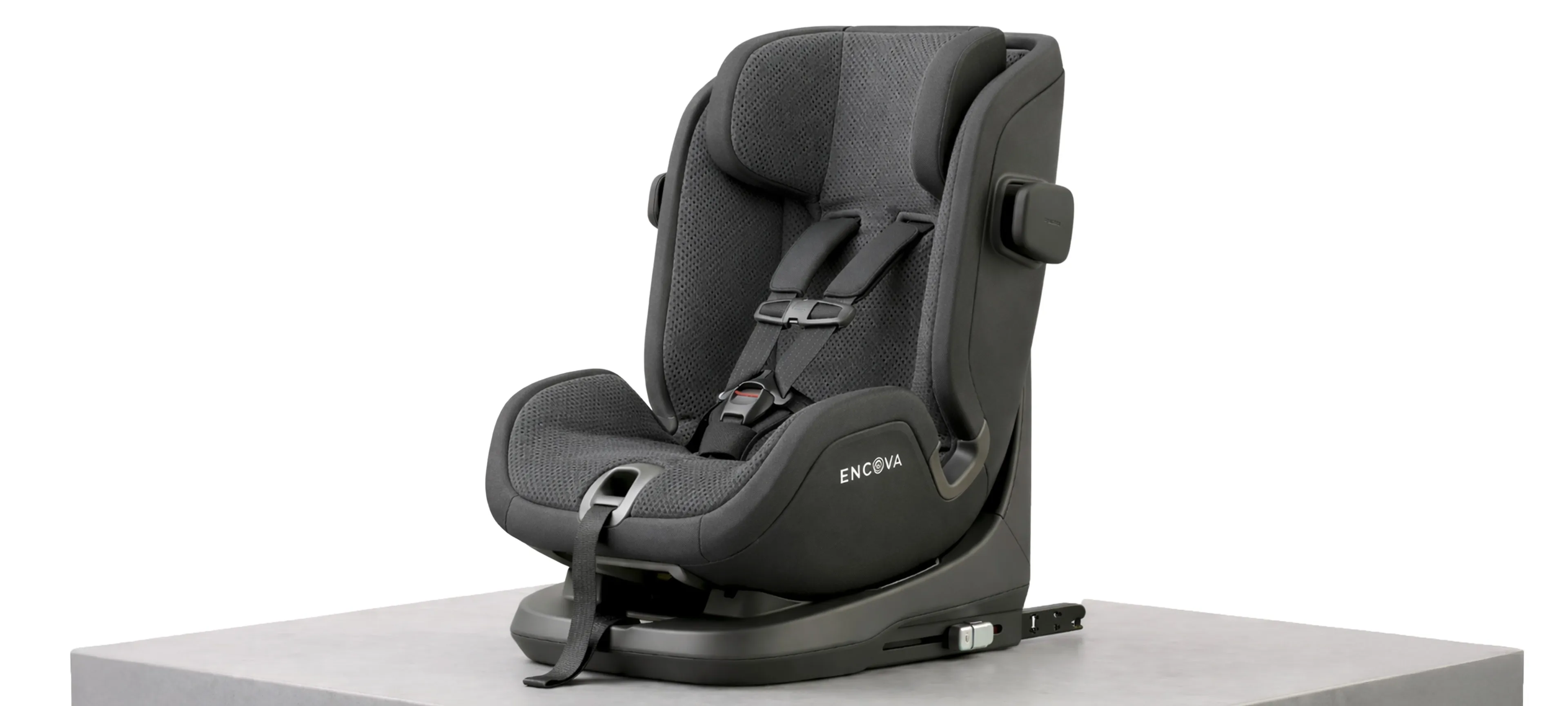
A safety sensor that hung like a forgotten ID badge.
Design cooperation with BMW, module TD5, THD, Winter 2023/24 · 3 months
Ansys proposes a shape, then gives up.
Simulation, Munich University of Applied Sciences, Summer 2026 · 3 months
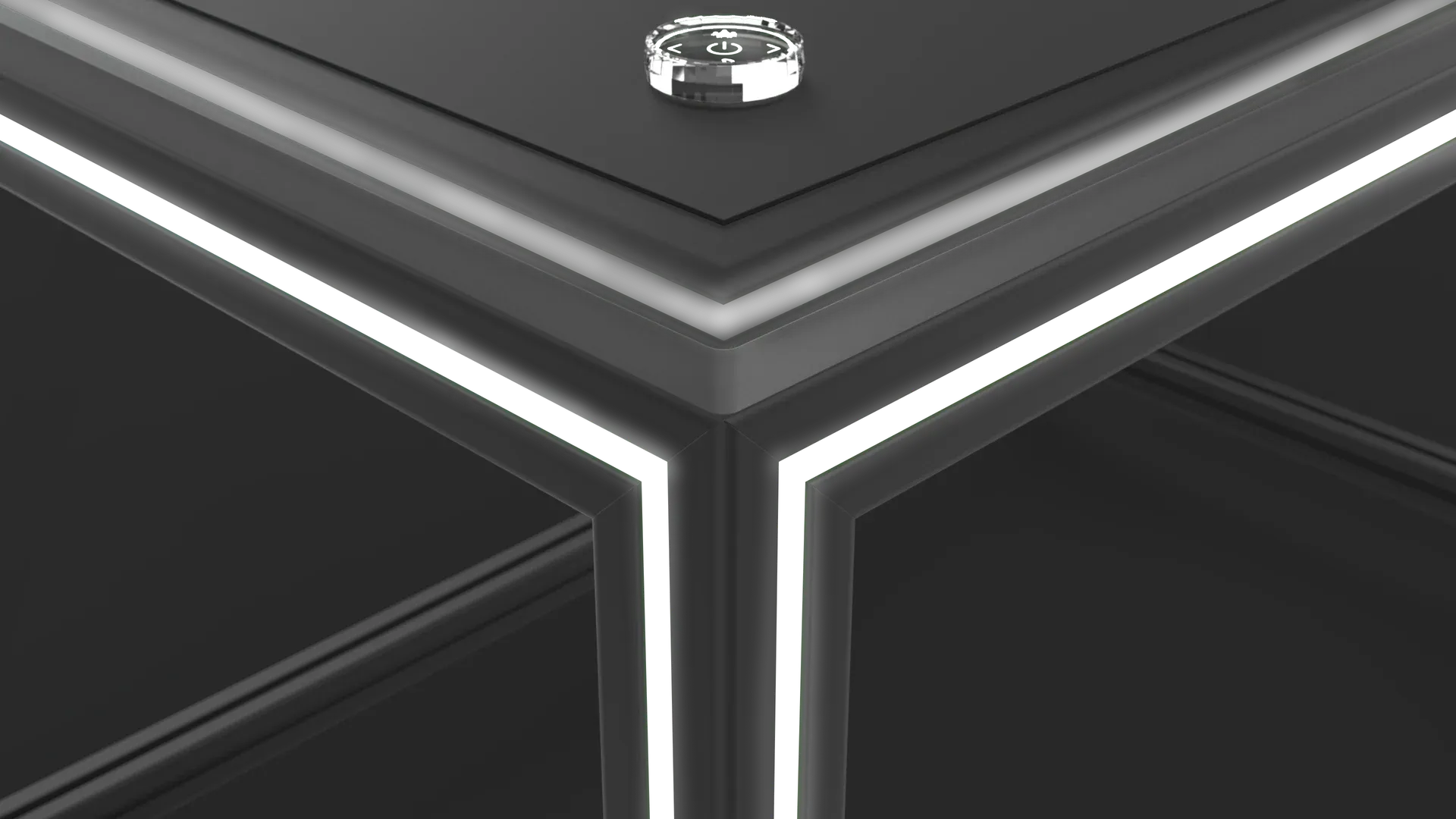
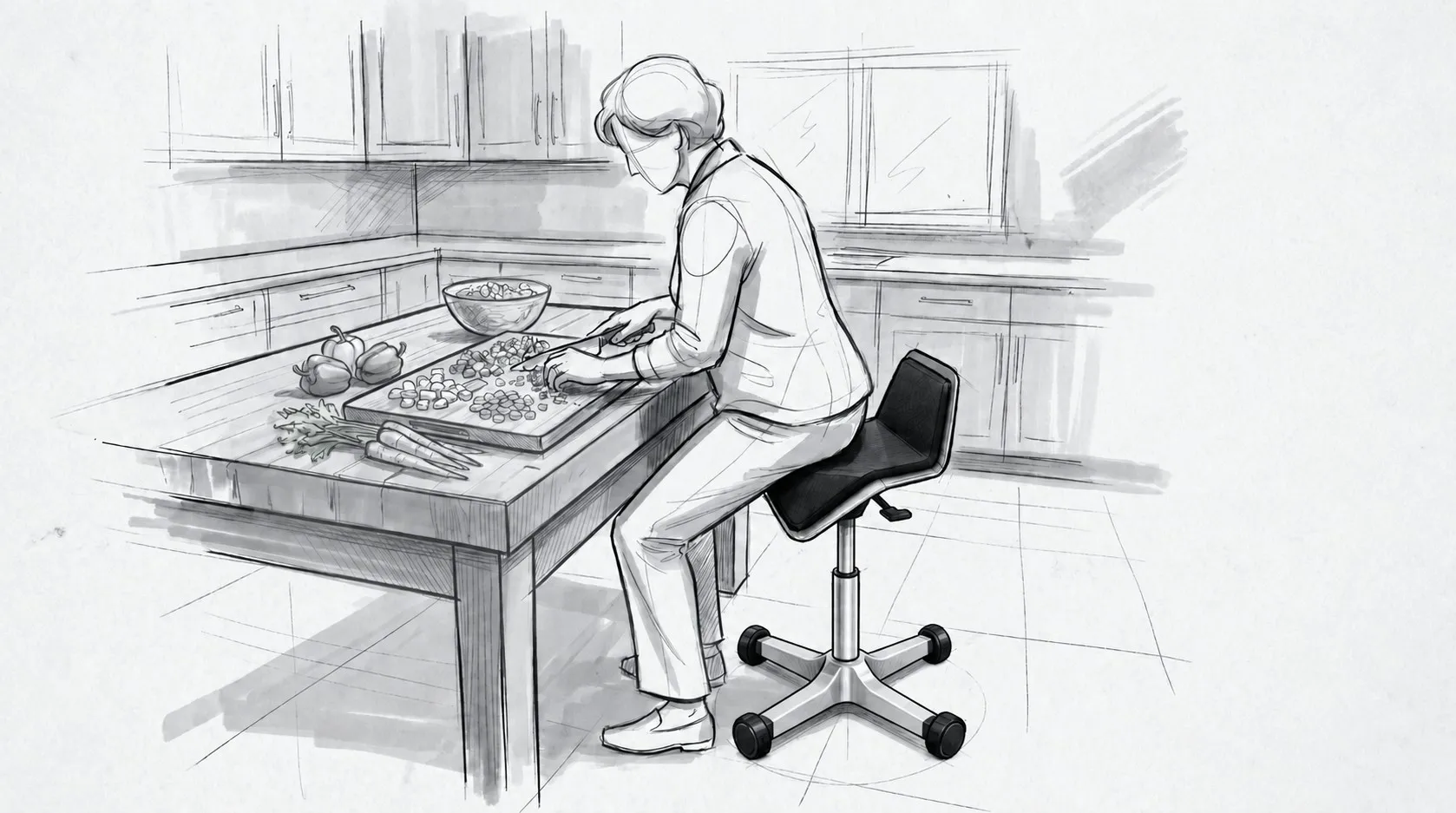
A new plant needs furniture for the shift briefing.
Cooperation project with BMW, Summer 2023 · 3 months
The simulation returns tables. It never says where the bottleneck is.
Built alongside the course, Summer 2026 · 3 months
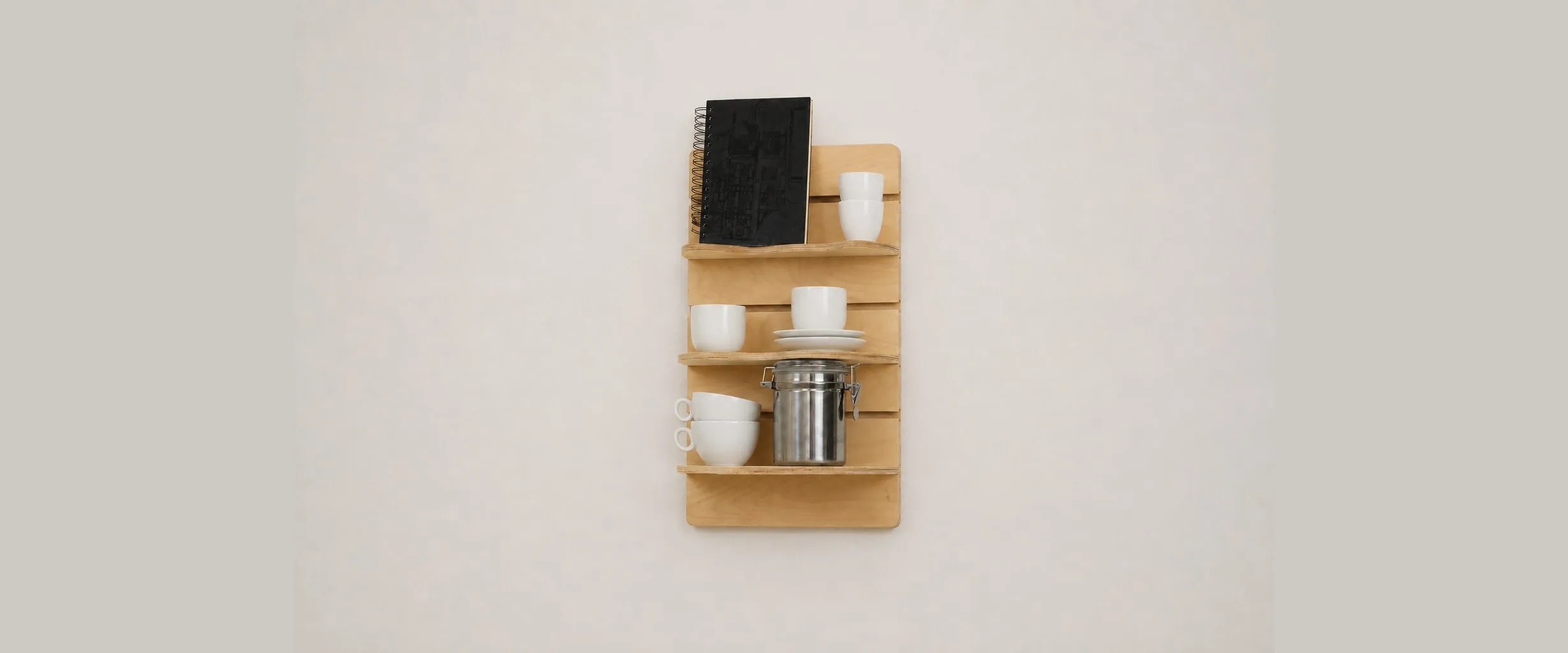
One curve does the handle, the rim and the stacking.
Semester project, Summer 2022 · 3 months
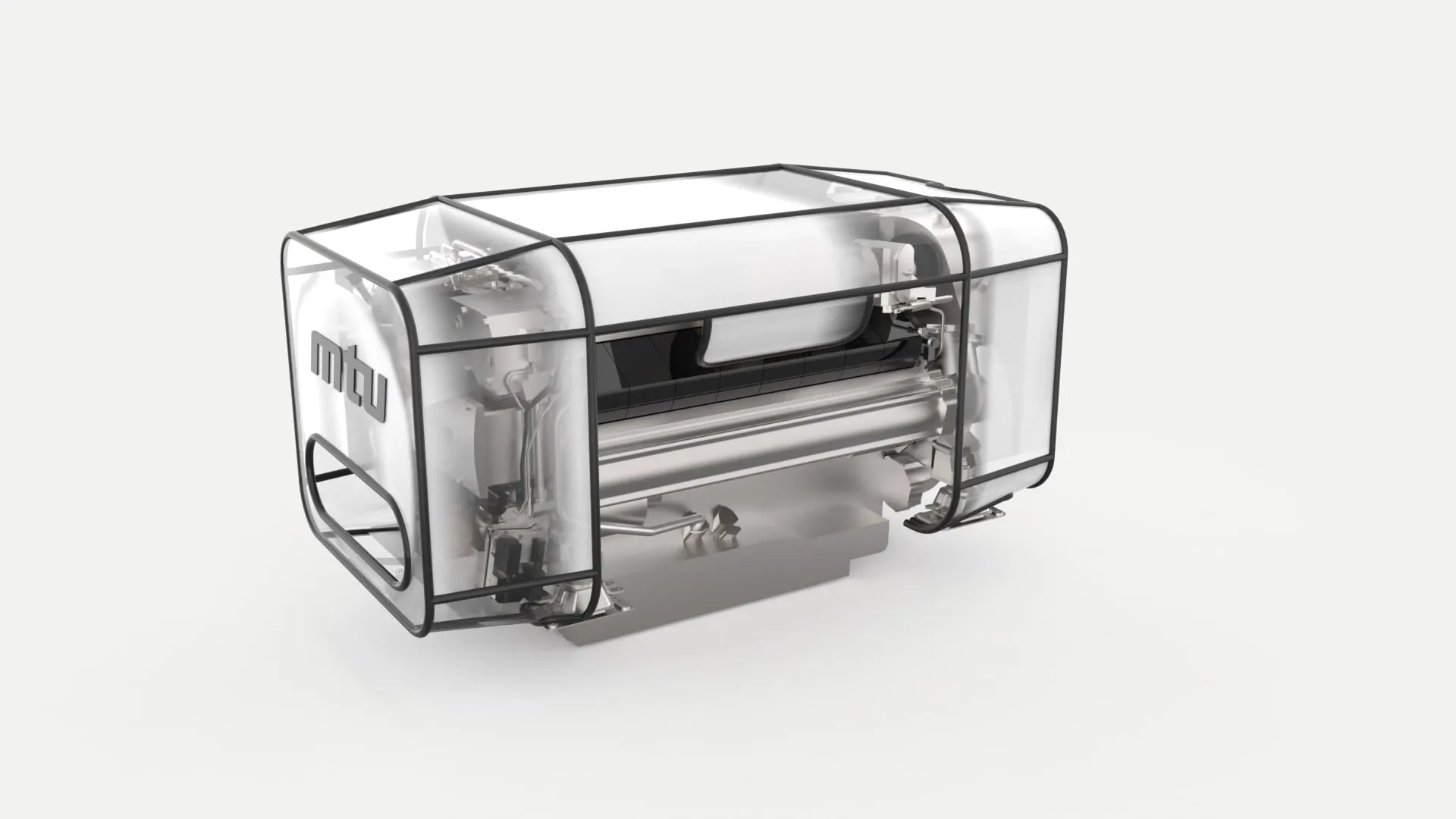
An industrial engine looks like what it is: a machine.
Collaboration with mtu / Rolls-Royce Power Systems, Winter 2022/23 · 3 months
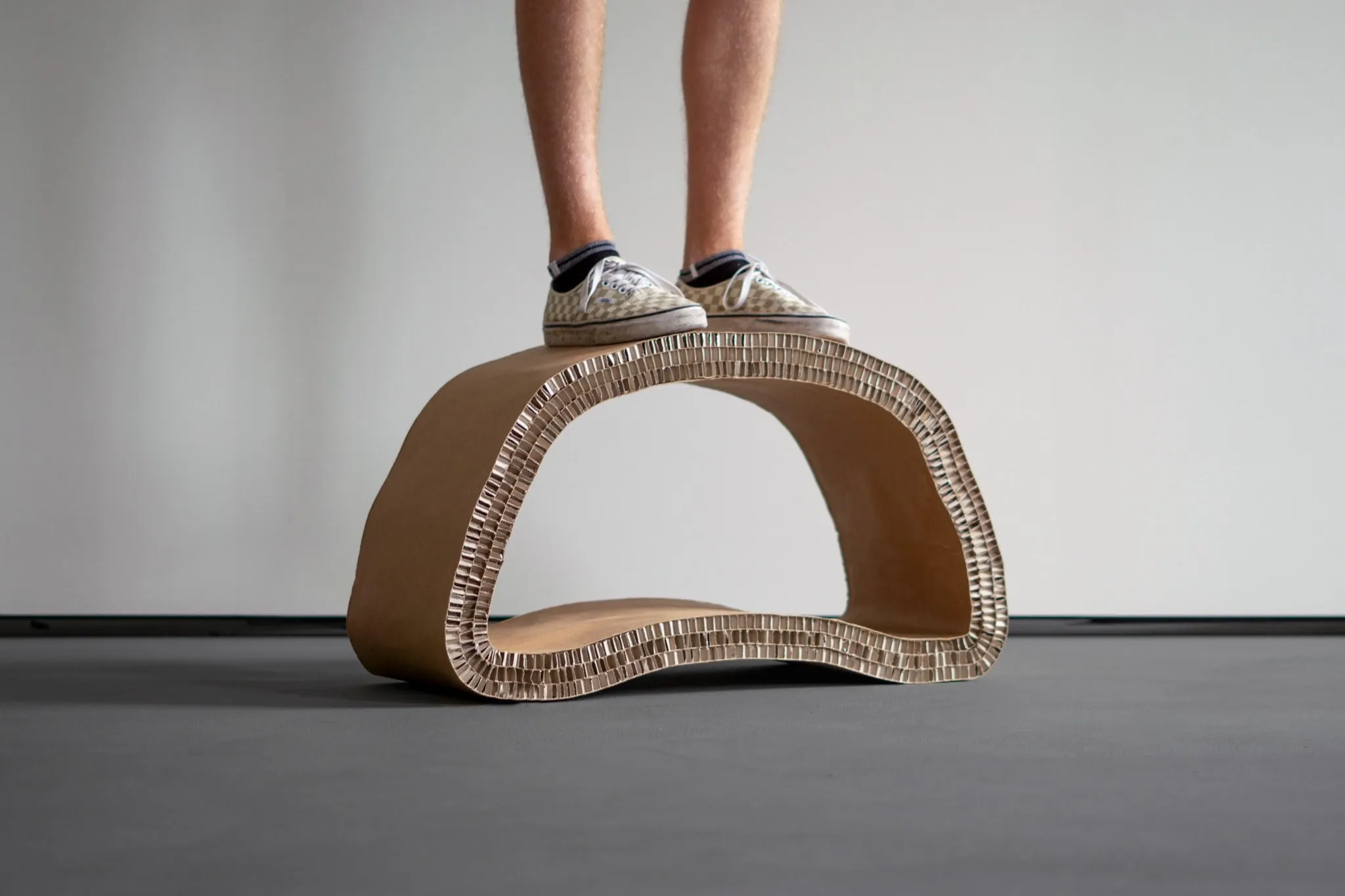
Open, the board bends in your hands.
Semester project with a packaging manufacturer, Summer 2023 · 3 months
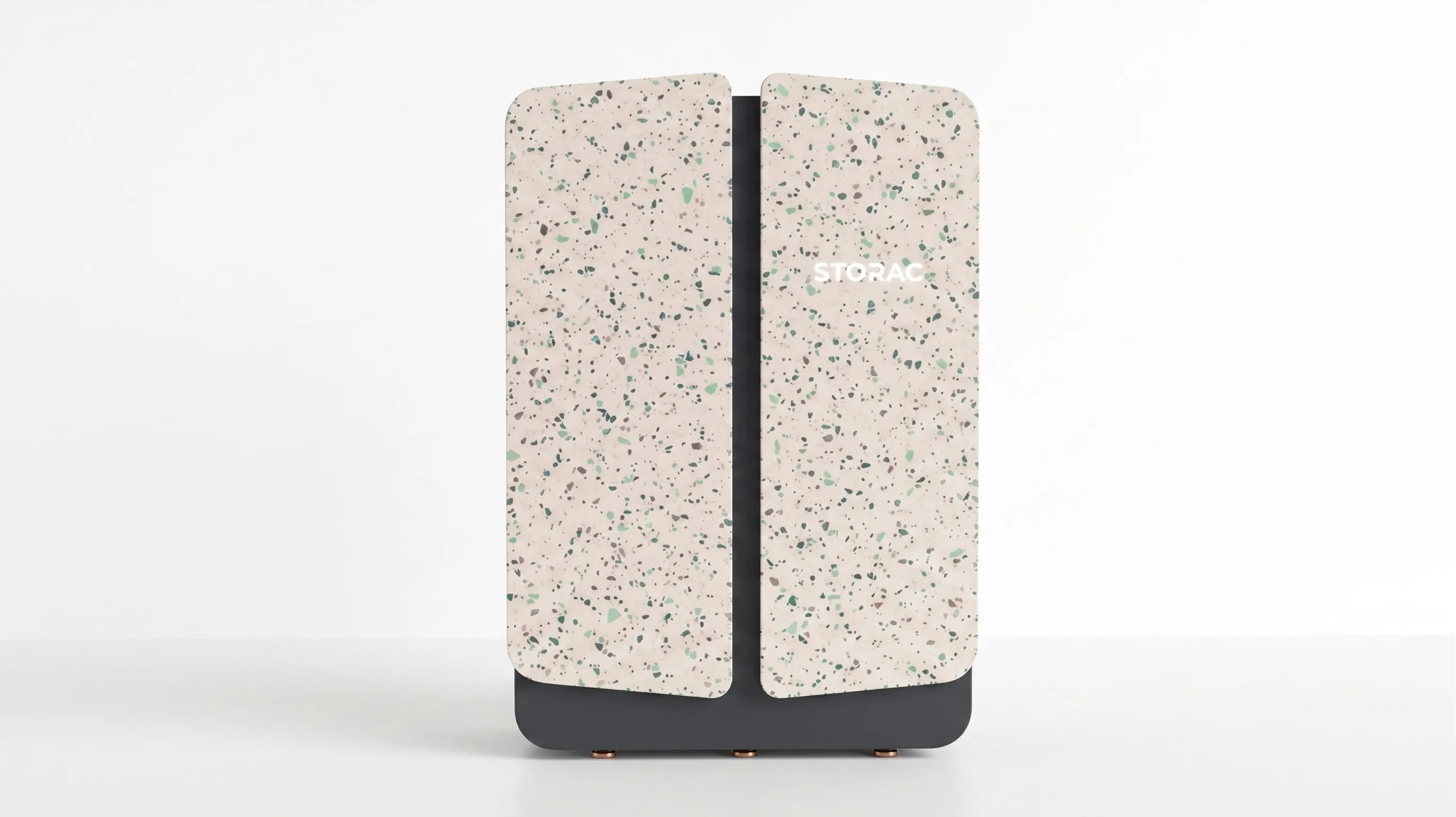
A home battery that looked like a switch cabinet.
Design cooperation with Prolux Solutions, THD, Mar–Jul 2023 · roughly 3.5 months
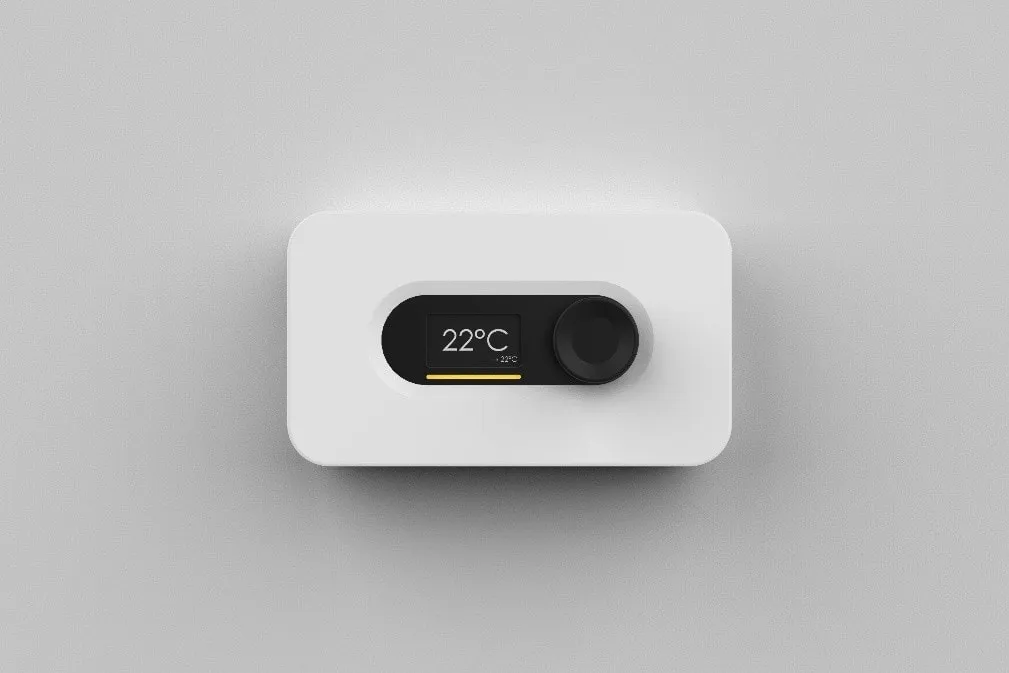
The university had the electronics and no enclosure.
Commissioned work for the university, Winter 2024/25 · 3 months
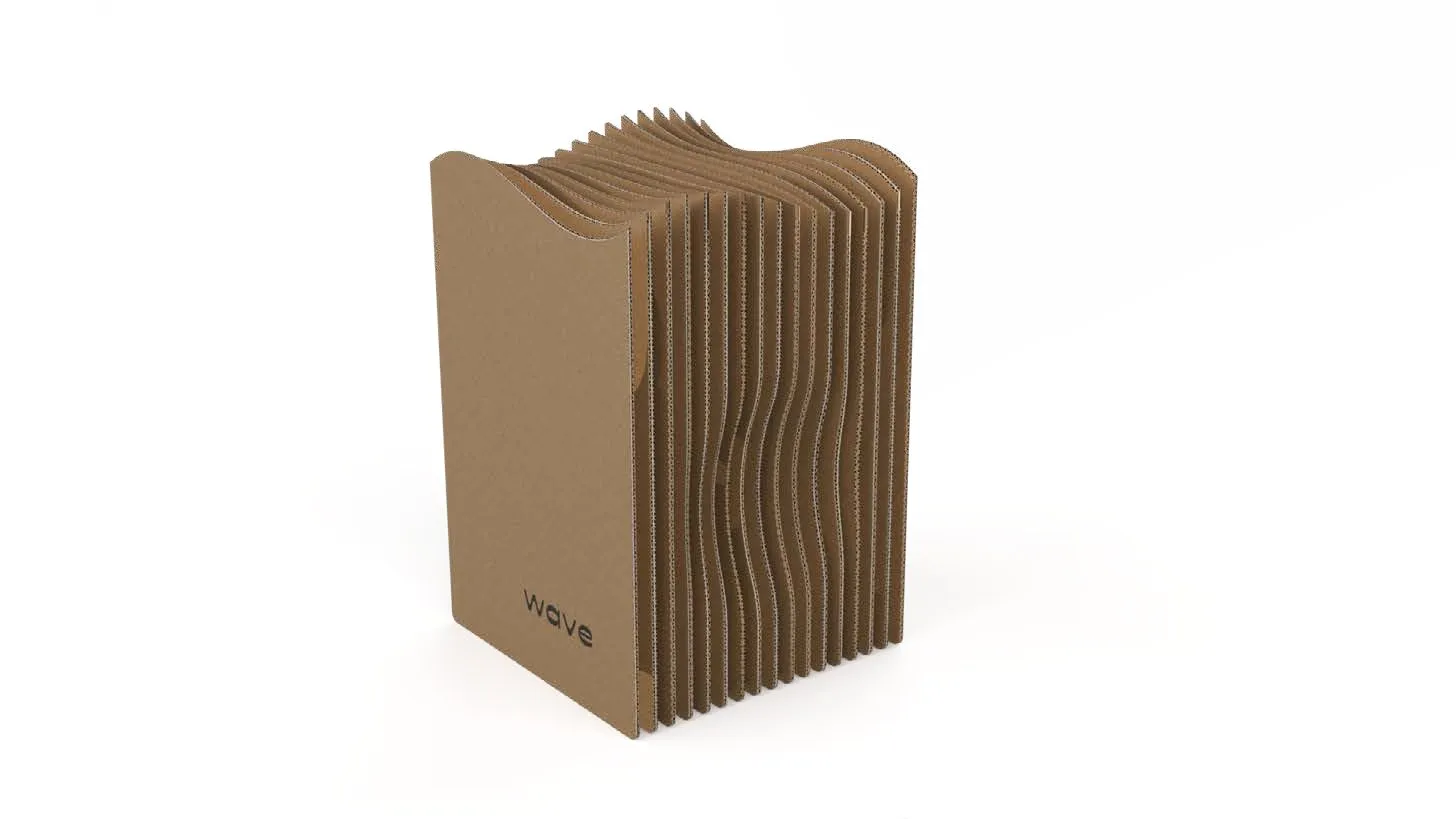
A cardboard box that makes a speaker louder without adding a single watt.
Material workshop, THD, 29 Apr – 7 May 2023 · one week